STORY 05 | KAT
58 England caps. 44 tries. World champion.
From the outside, it would be easy to look at Kat Merchant's rugby career and see a story about success.
But success doesn't tell you about the rejection letter she stuck to her bedroom wall at 16.
It doesn't tell you about the ACL injury that came just two caps into her England career, or the second leg she broke just 39 minutes into her first game back.
It doesn't tell you what it feels like to be medically retired from the sport you still love.
And it certainly doesn't tell you who you become when the thing you've built your identity around is suddenly no longer yours.
Kat's story is about all of that.
But perhaps most importantly, it's about learning that you are still you when the shirt comes off.
Kat was 14 when she first walked into Worcester Rugby Club.
She was skinny, but strong from her gymnastics background, and her first session involved something called 'King of the Ring' wrestling.
She was good at it.
But it wasn't the wrestling that made her fall in love with rugby.
It was the new teammates.
Some of the friends she made that day are still close to her, 26 years later.
She was fast, so she was put on the wing.
That weekend, she played her first game.
She admits she was "absolutely clueless" in defence when she started.
But she was quick, she did well in attack, and she was hooked.
From then on, Tuesdays, Thursdays and Sundays belonged to rugby.
She admits she was "absolutely clueless" in defence when she started.
The journey from that 14-year-old girl to an England international wasn't straightforward.
At 16, Kat received a rejection letter from England.
She didn't throw it away, she stuck it on her wall and made herself a promise.
She would never get one of those letters again.
It became a reminder of the kind of person she was going to have to become.
Someone who backed herself, someone who kept going and someone who didn't let rejection decide what she was capable of.
And eventually, she got there.
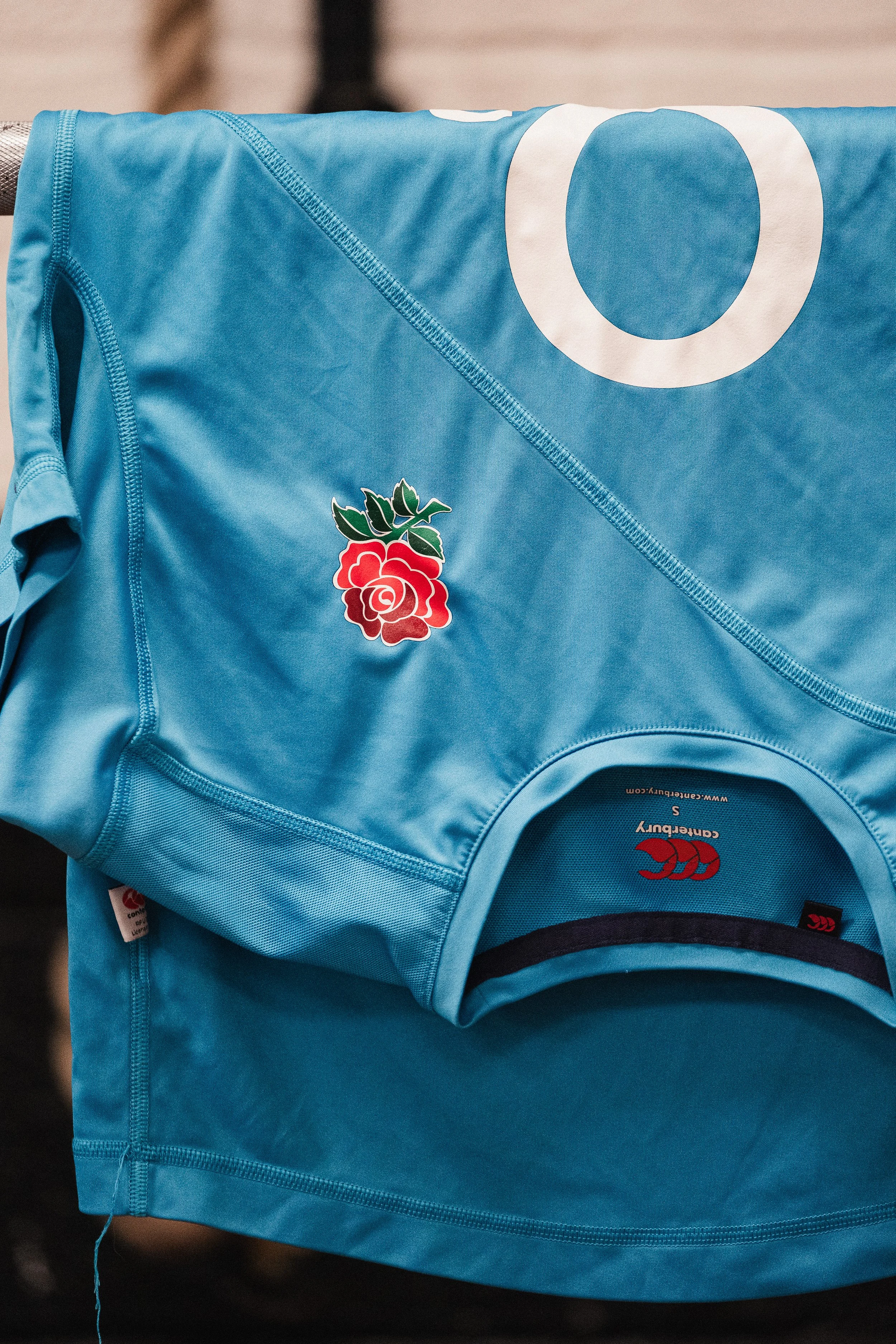
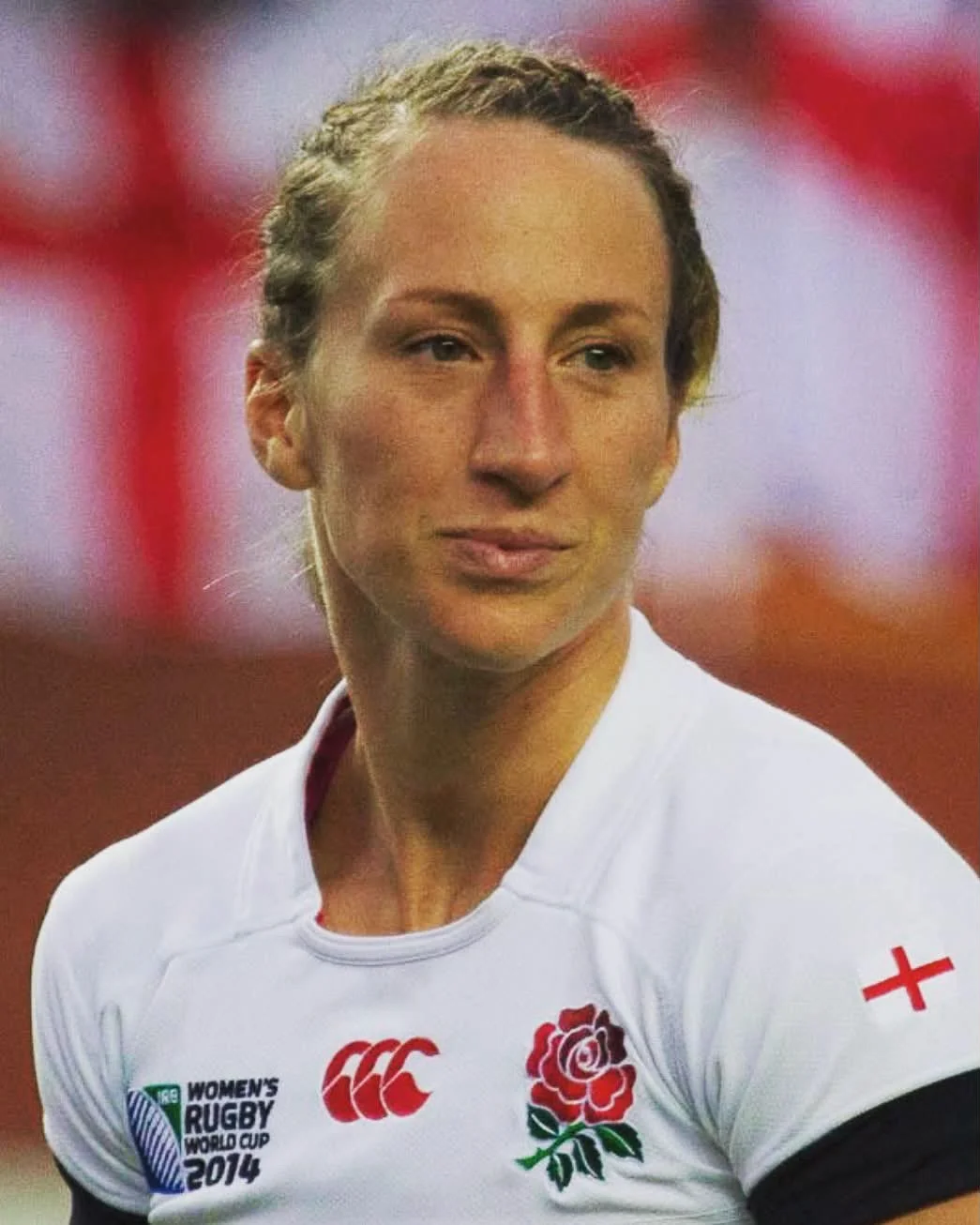
Pulling on an England shirt was everything Kat had worked towards.
But looking back, she says it's something you don't fully appreciate until it's over.
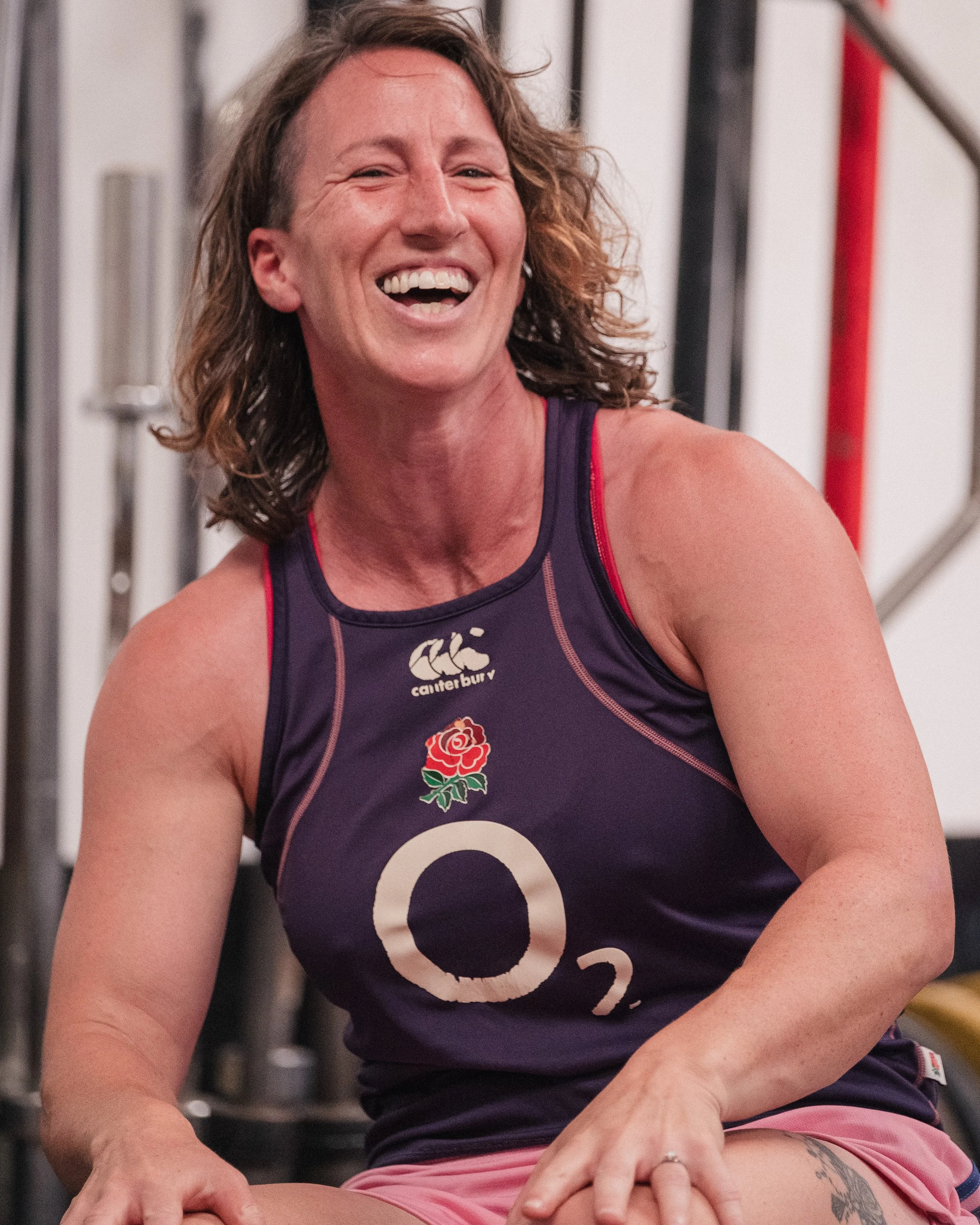
She still gets goosebumps watching the Red Roses run out today - the noise, the heartbeat sound before kick-off, the fire cannons, the feeling of being part of something bigger than yourself.
And the bond doesn't disappear when the playing career does.
She can go years without seeing some of the teammates from her World Cup era, yet when they meet again, it's as though no time has passed.
They shared too much for it not to be.
They travelled together, trained together, played together.
In the early days, women's rugby looked very different.
They flew economy to New Zealand and played a few days later.
They even sewed their own badges onto their sevens shirts.
They played in front of empty stands.
They weren't televised.
And once, a referee at a Premiership game actually asked whether the match was full contact.
But they kept playing.
"We had to fight to be taken seriously."
And that, Kat says, is something she will always be proud of.
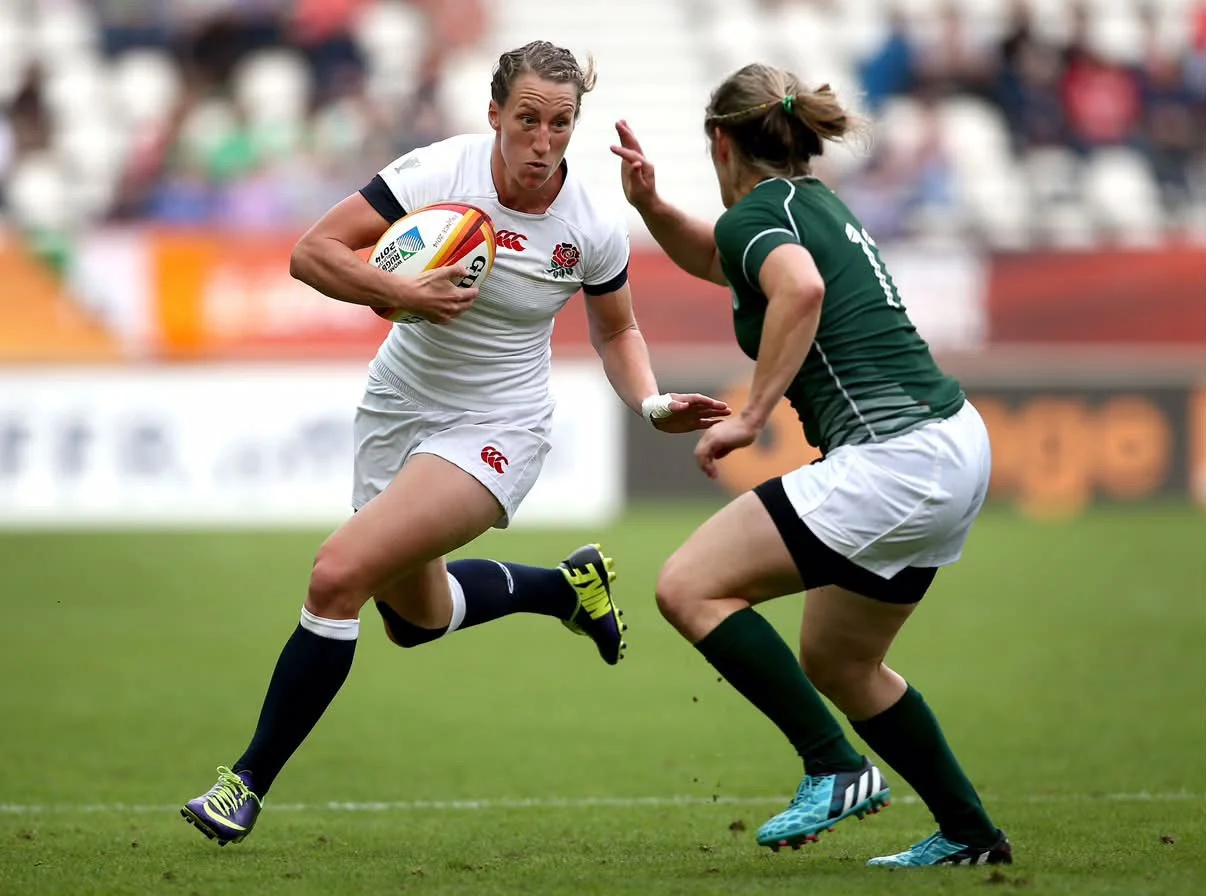
The sacrifices were real.
But Kat doesn't describe them as sacrifices.
They were choices.
She chose to miss weddings, birthdays and nights out because she wanted to become the best rugby player she could.
She chose the 5am alarm before work followed by rugby training after work.
She knew what it would take.
And for a while, that all-or-nothing mentality worked.
Until eventually, it started to take its toll.
An elbow reconstruction.
An ACL reconstruction.
Too many concussions.
And a body that had given almost everything to the sport she loved.
At 19, Kat was on top of the world.
She had just won her first two England caps.
Then, at Worcester training, she tore her ACL.
Six months of rehabilitation followed.
Her funding was cut.
She was left to complete her rehab outside the England squad.
But she stayed positive.
She stuck religiously to her programme.
She worked. Rebuilt.
And eventually, she was given the chance to play again.
Her first game back came with a restriction: she was only allowed to play for 40 minutes.
She made it to 39...then she broke her other leg.
"That broke me mentally."
Six months of work, gone.
Another recovery. Another mountain to climb.
But Kat had a choice.
"Do I give up because it's hard or do I work even harder to come back?"
She chose the latter.
Three years after her second cap, she earned her third.
And for the only time in her career, she cried during the national anthem.
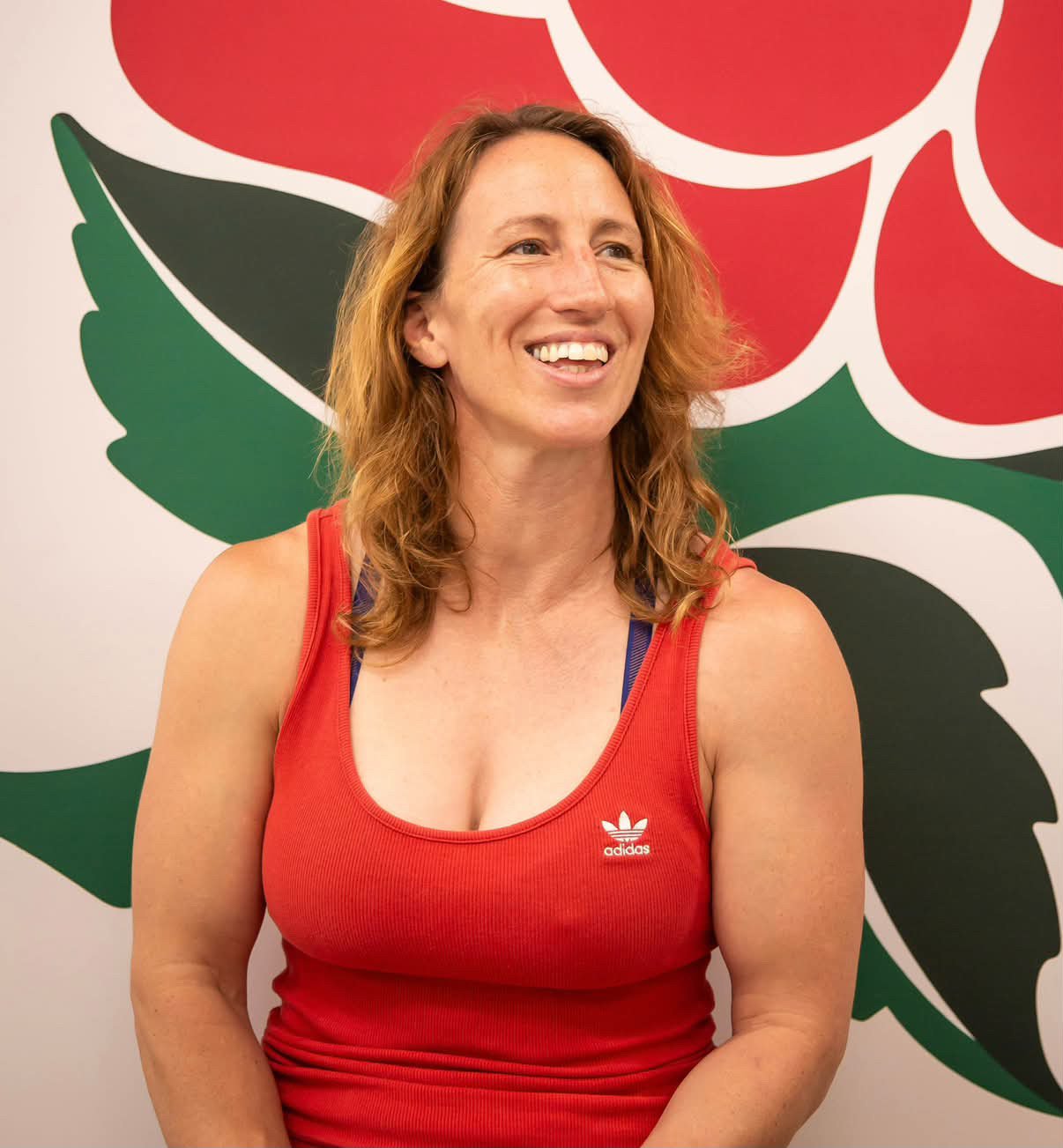
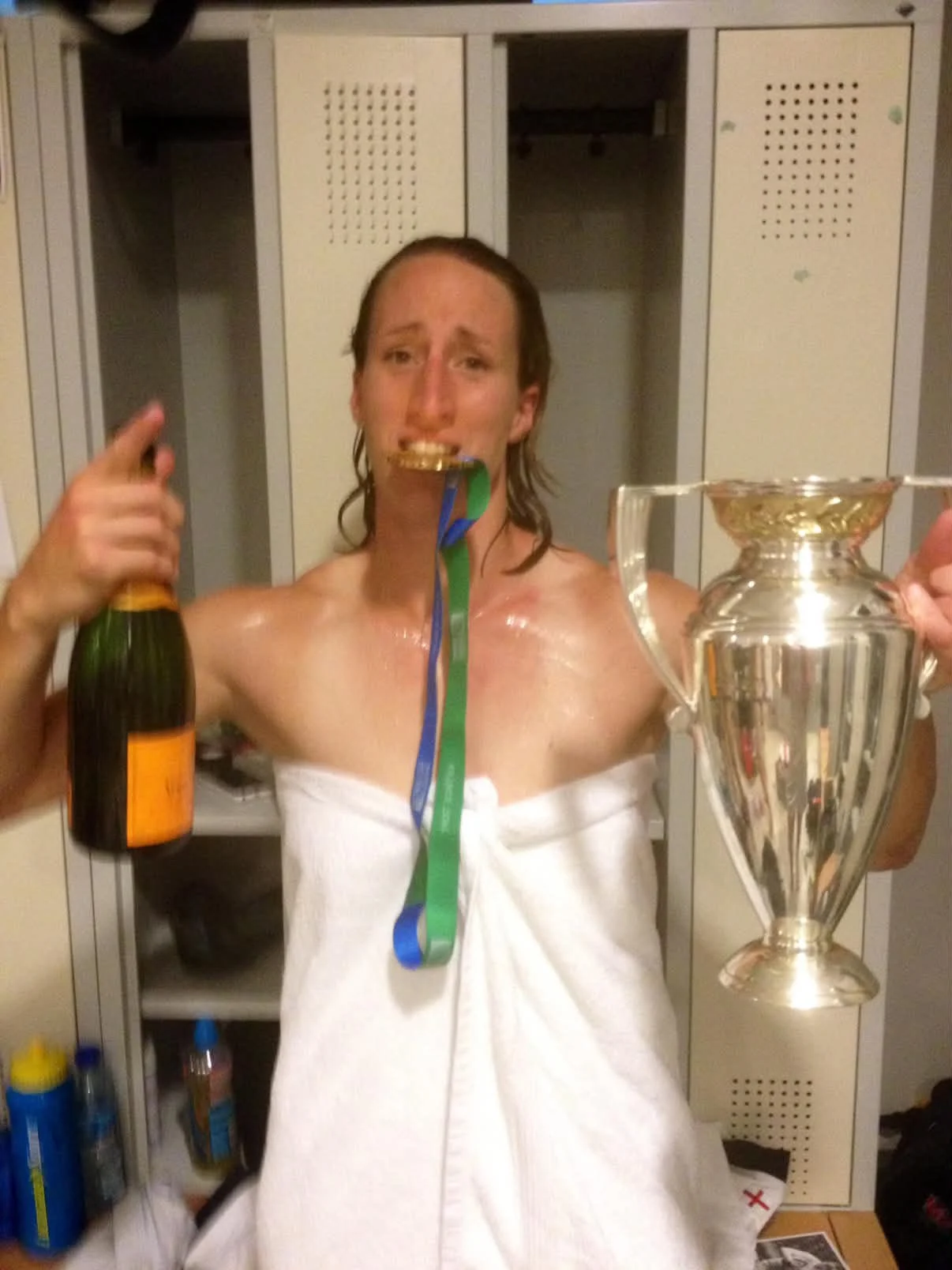

There would be more setbacks.
But there would also be moments that made every one of them worthwhile.
In 2012, Kat ran out at Twickenham to face New Zealand.
At the time, the Black Ferns carried an aura.
They had been dominant for so long that playing them was always a huge challenge.
But women's rugby was changing. Crowds were getting bigger.
Twickenham appearances were still rare.
And Kat remembers running out of the tunnel feeling ready to take on the world.
They didn't just compete. They smashed it.
And Kat scored one of her favourite tries of her career.
Those are the moments people see.
The shirt.
The stadium.
The tries.
The medals.
But they aren't the whole story.
Kat's final game for England was a World Cup final.
And unlike many players, she didn't get to decide when her international career ended.
She had been selected for the first full-time England Sevens contracts.
She was still at the top of her game. Physically, she felt capable of playing.
But too many concussions meant she was medically retired.
There would be no gradual transition.
No final season at a club.
No training while figuring out what came next.
Just...
Done.
"It was truly awful."
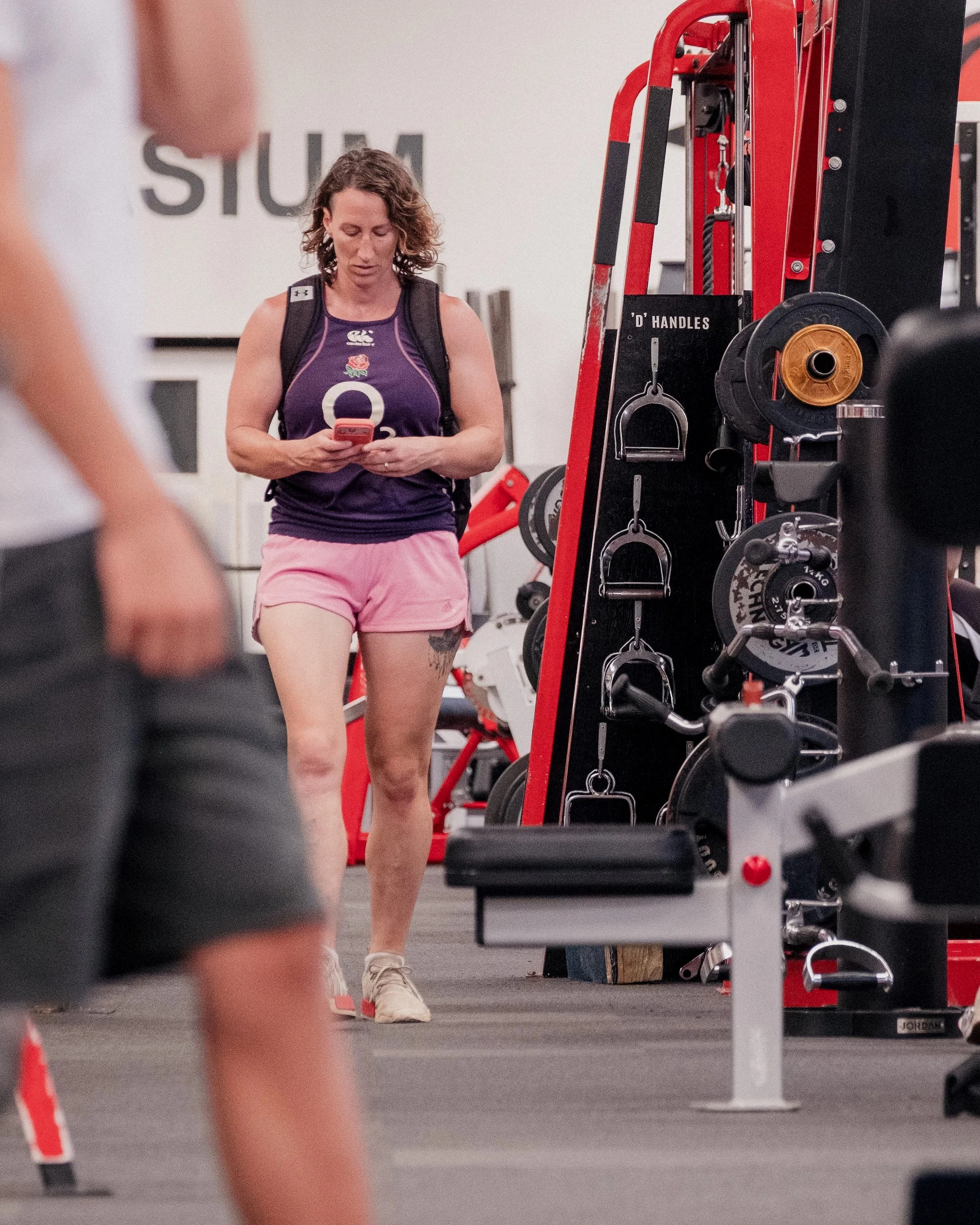
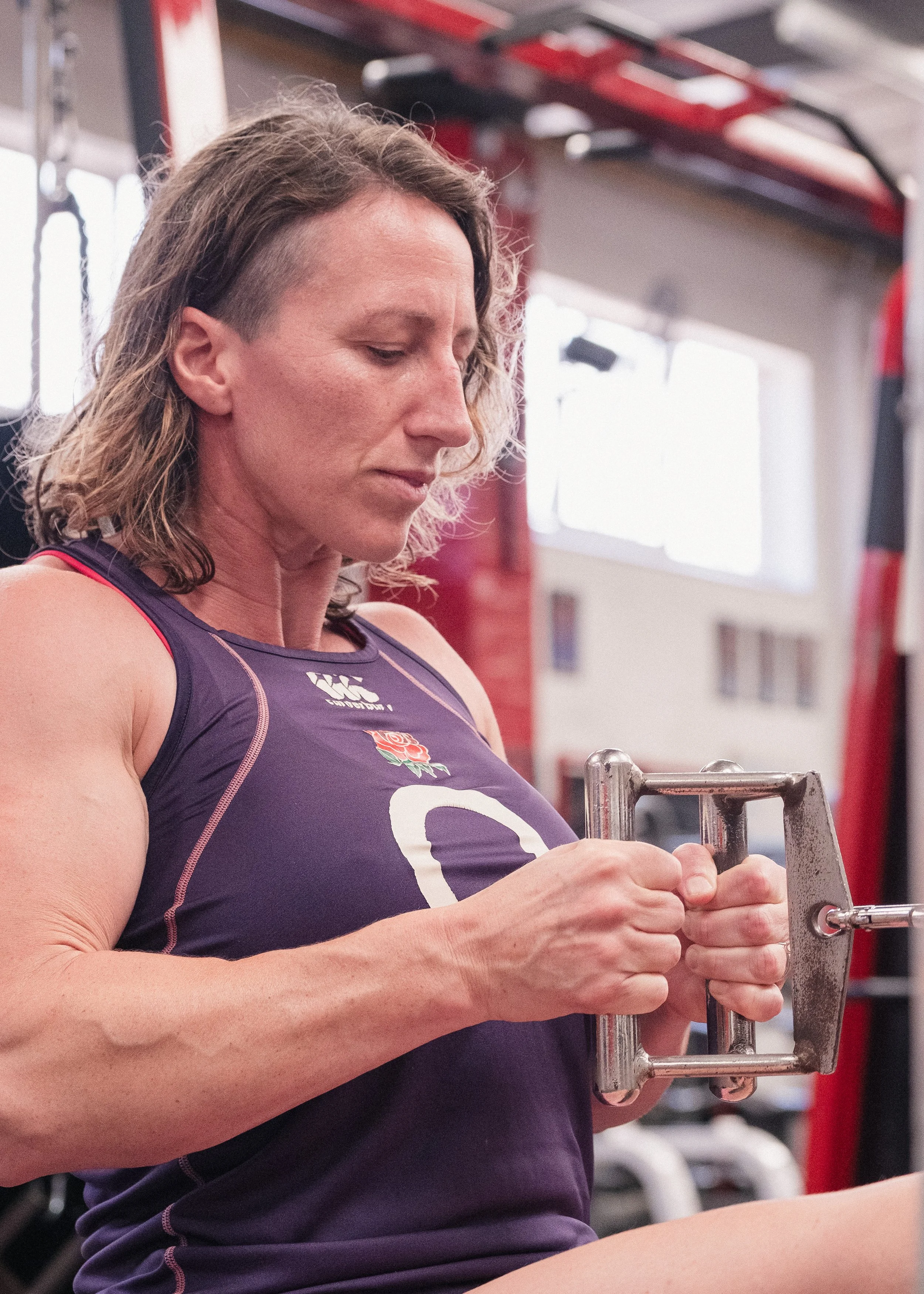
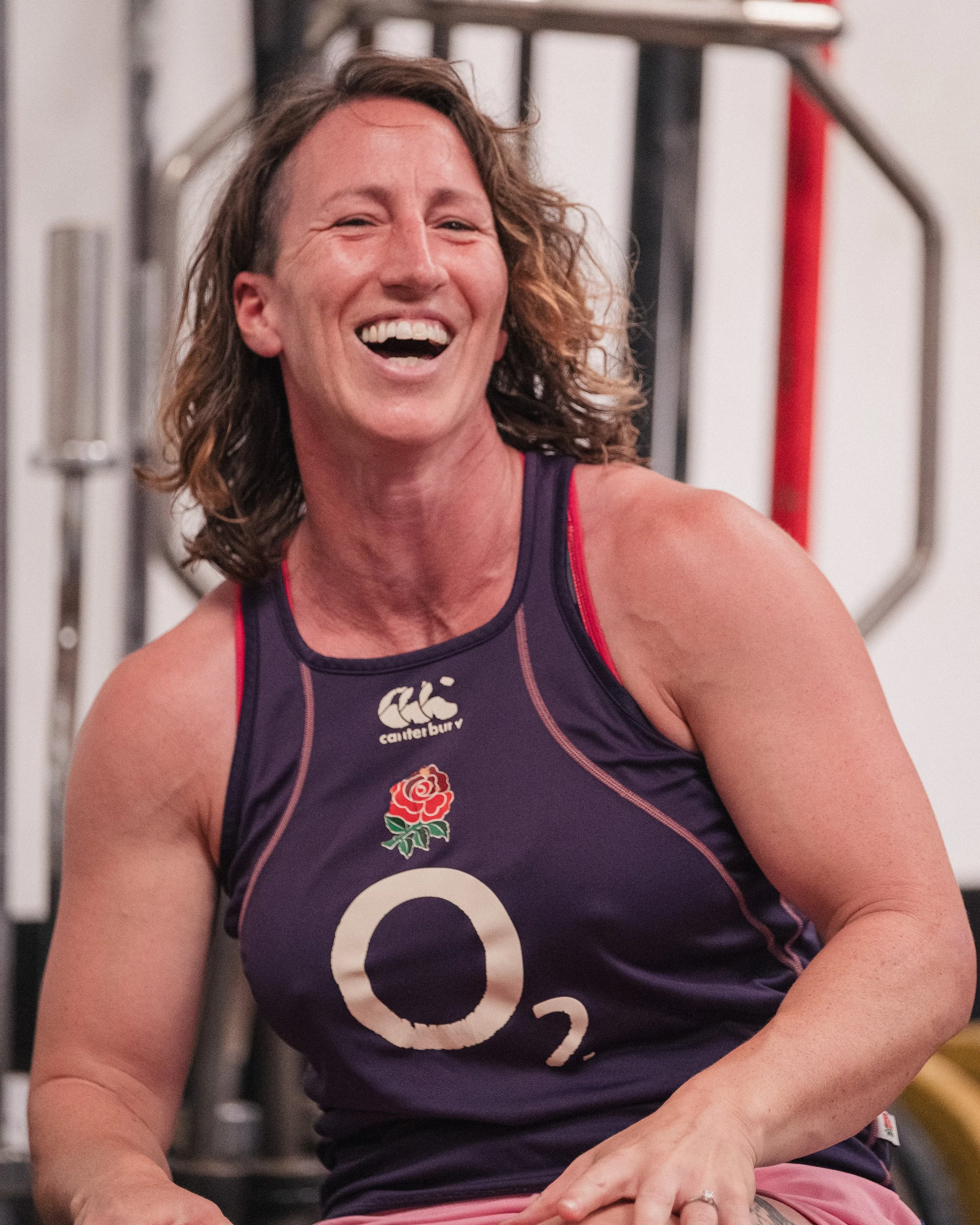
Her confidence had been completely tied to her ability as a rugby player.
When rugby disappeared, so did a huge part of Kat's identity.
She lost confidence. She struggled with her body image. She lost weight because she didn't want the muscles she'd built as a rugby player anymore.
For someone who had spent years pushing her body to become stronger, she suddenly wanted to make herself smaller.
And she wasn't happy.
Then came a moment that, on the surface, might seem insignificant.
Kat was going to watch a rugby game.
Someone commented:
"How does it feel to be just watching when you used to be a star?"
They didn't mean it cruelly.
But Kat says it felt like being punched.
Because that's exactly how she felt.
Just watching. Who was she now?
Then, as she walked into the stadium, two fans ran up to her.
They wanted her autograph. They told her she was their favourite player.
And something clicked.
"You don't suddenly stop being the person you were before because you can't play anymore."
Slowly, Kat started to build something new.
Commentating gave her a way back into the game.
Being live on the BBC gave her a buzz.
She was still involved. Still surrounded by the sport she loved.
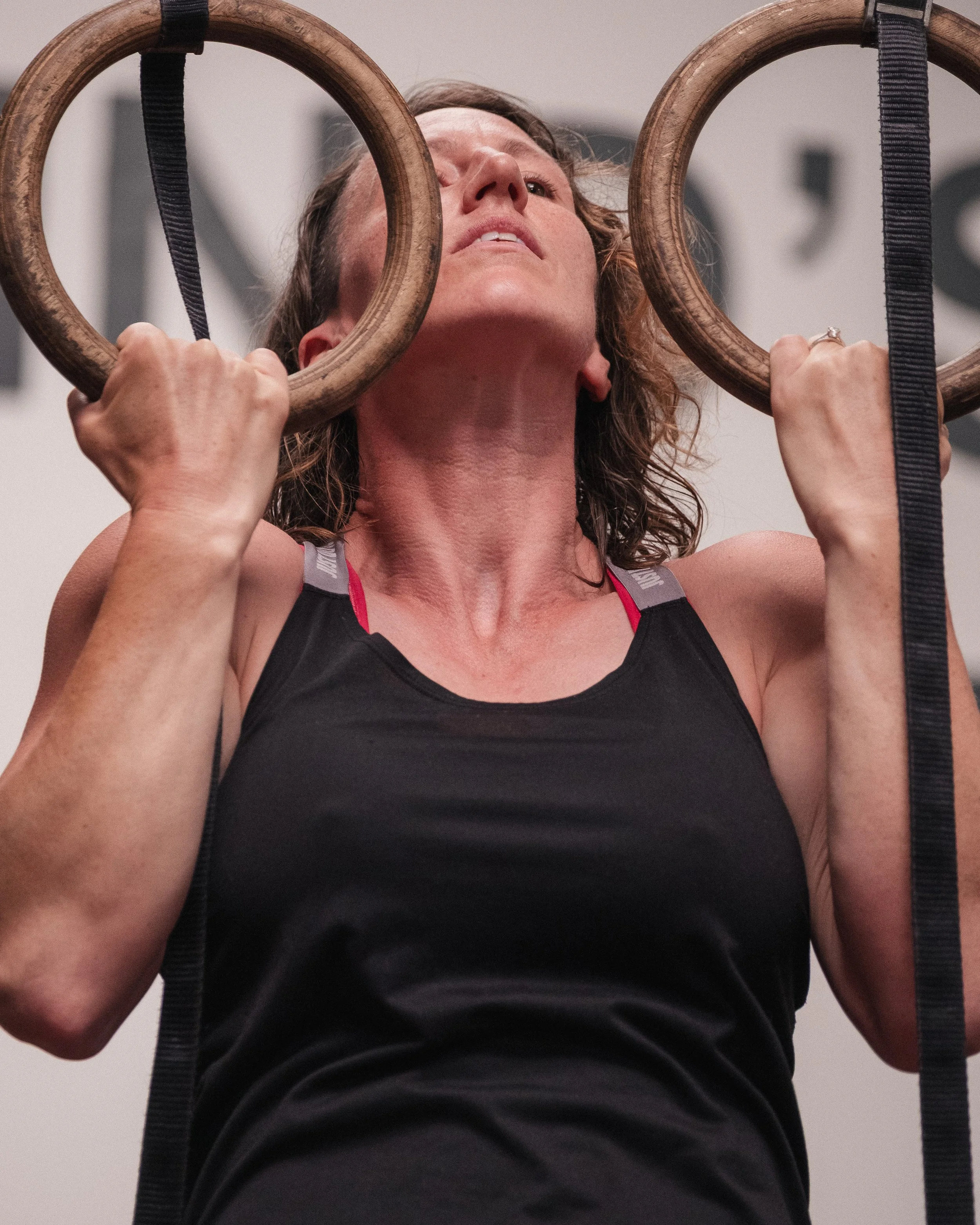
She threw herself into coaching too, and into growing the fitness business she now runs with her husband.
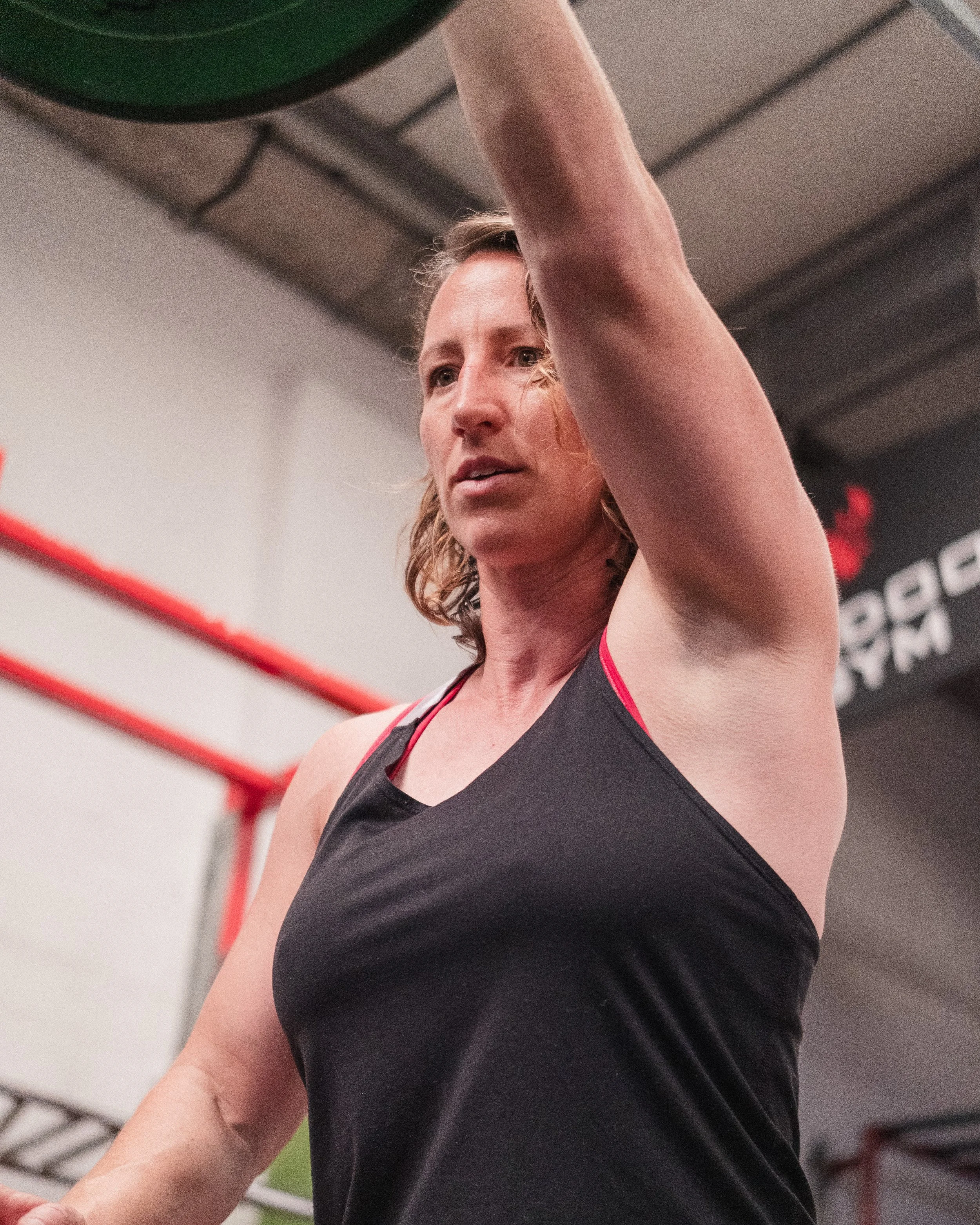
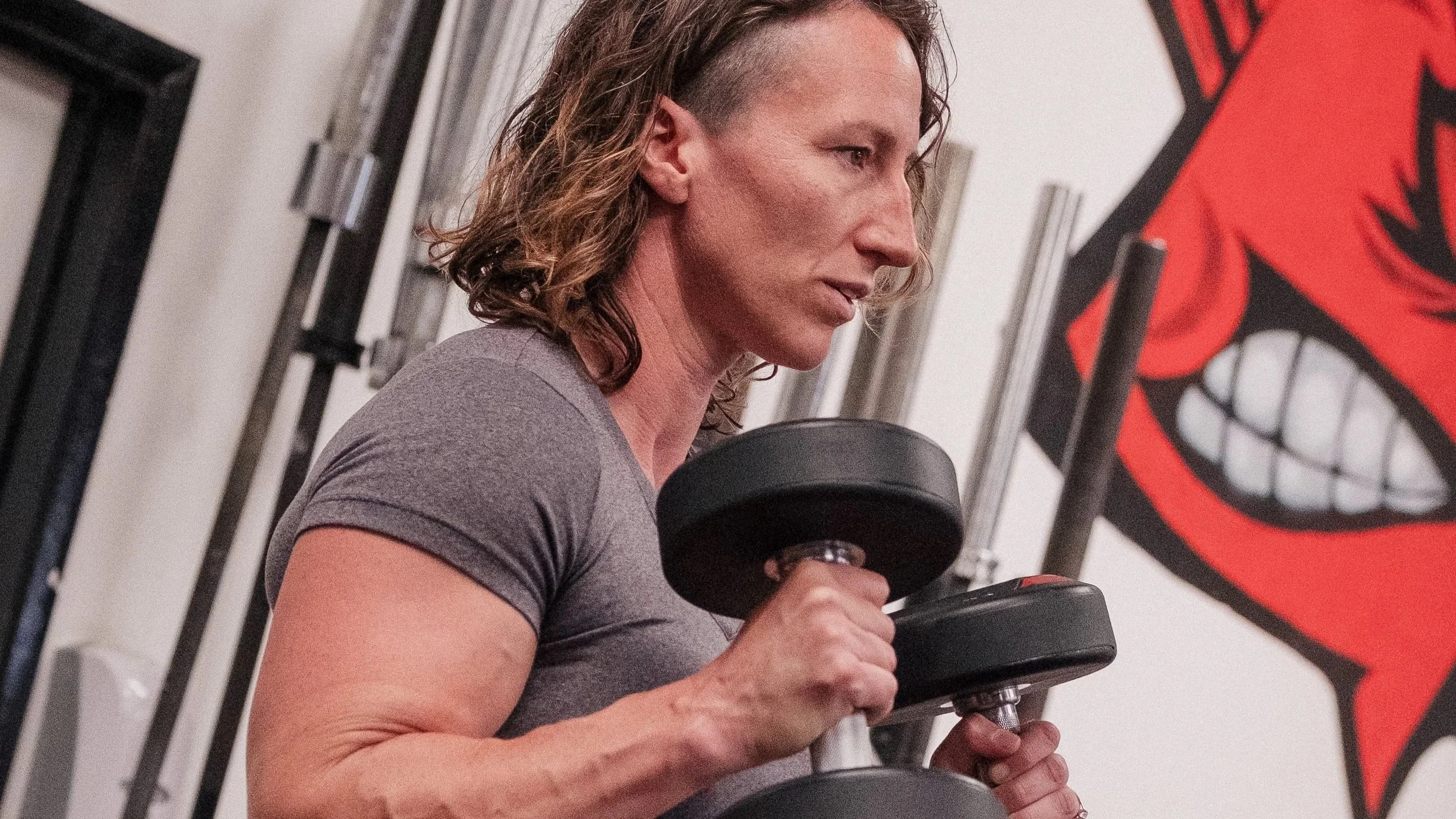
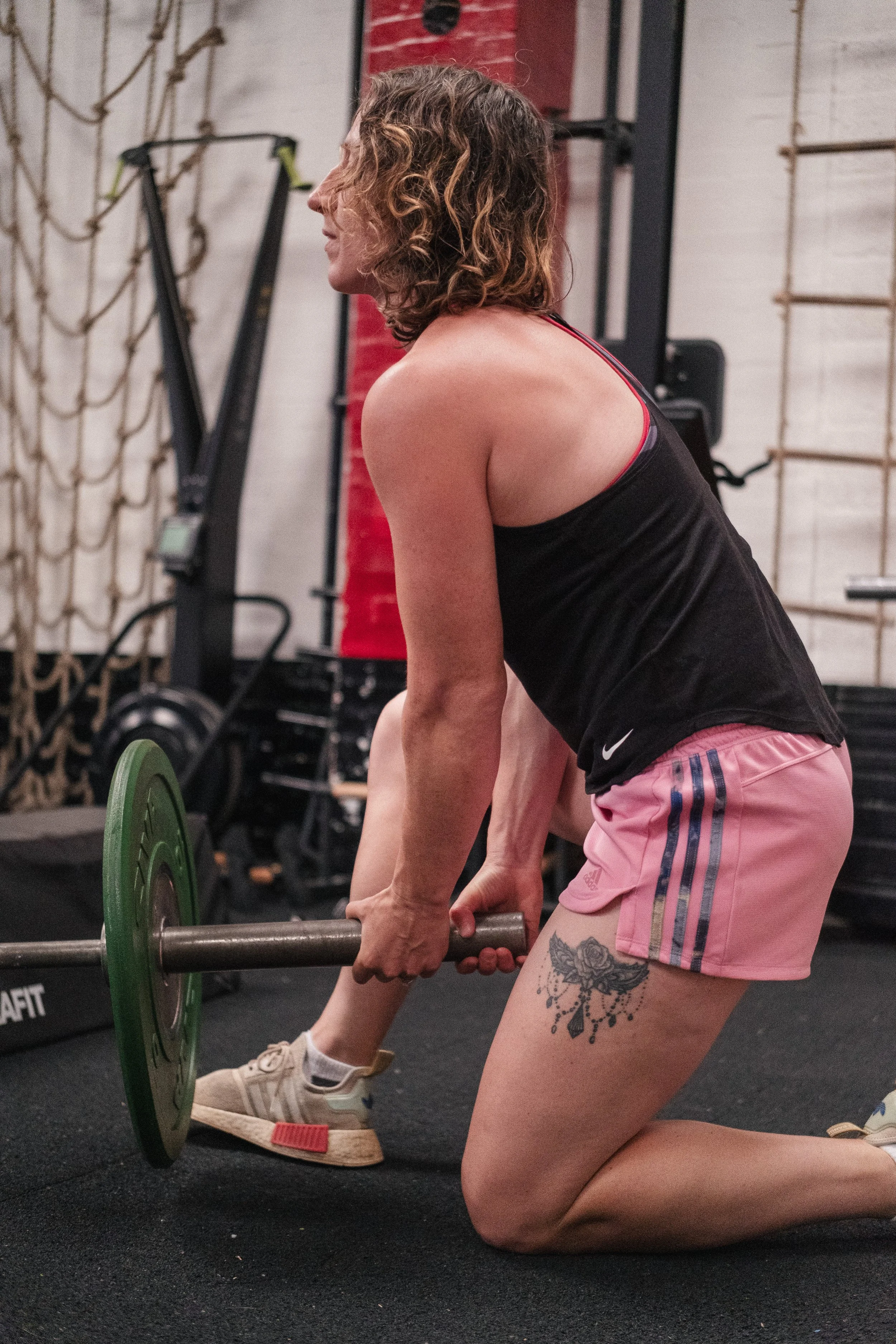
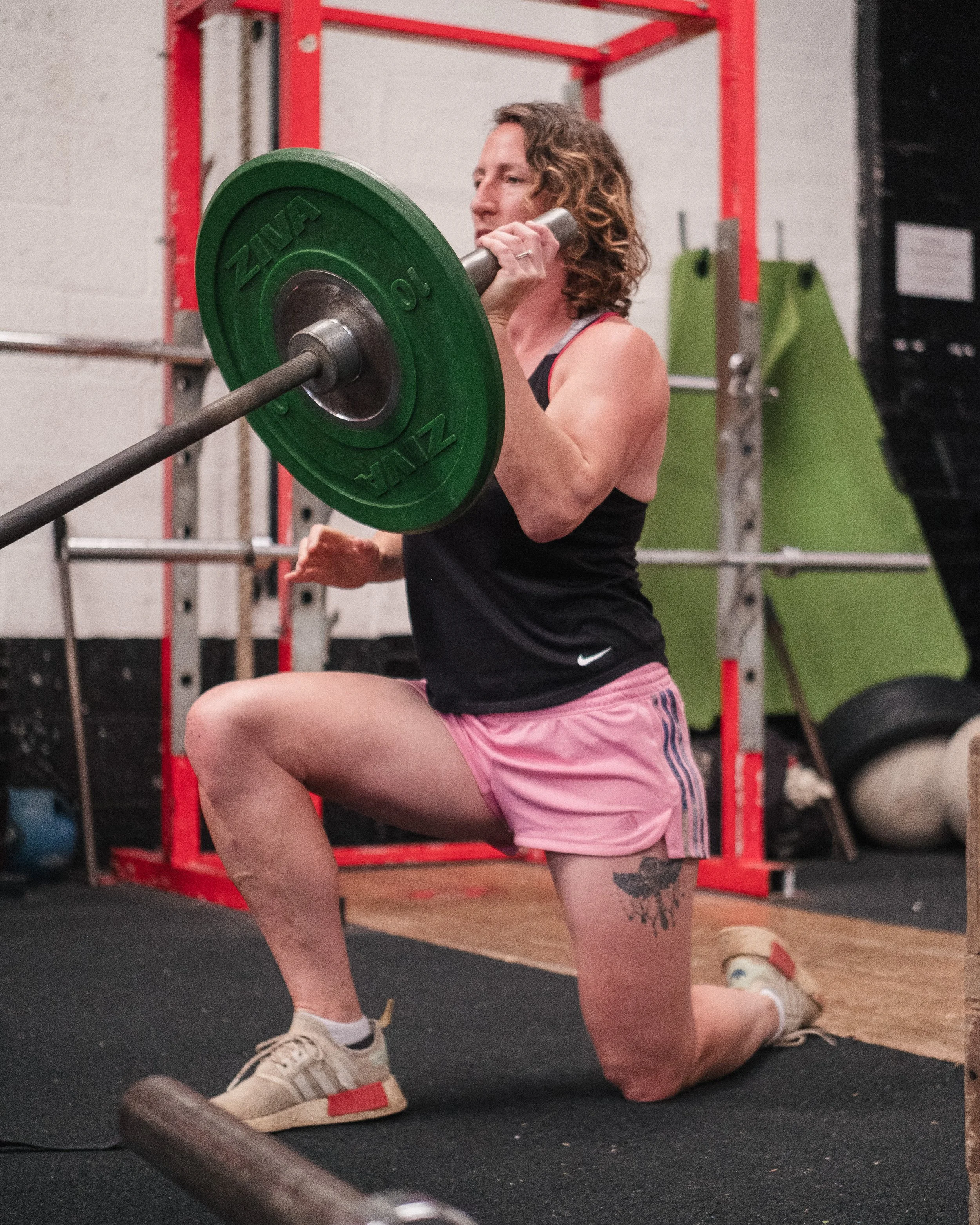
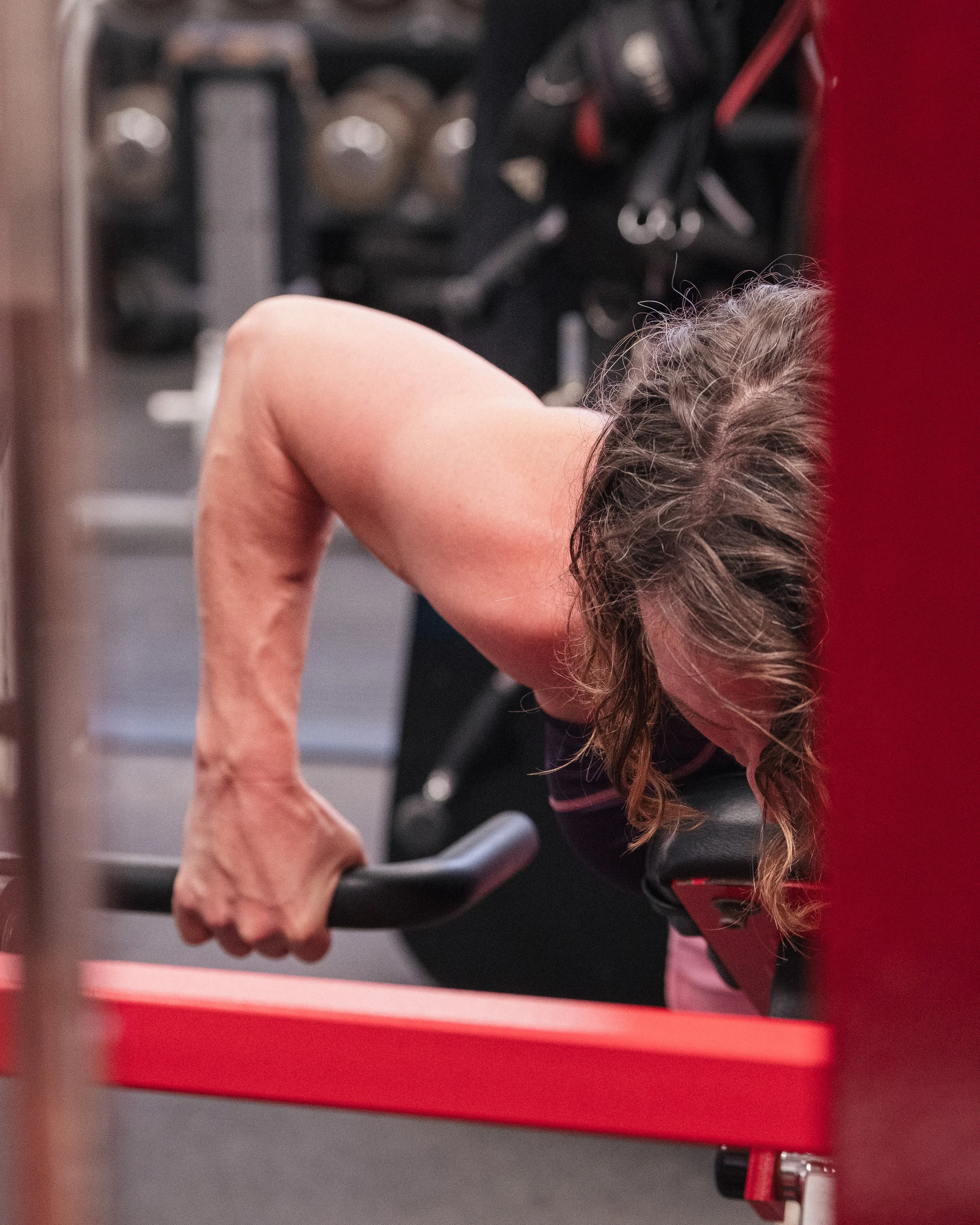
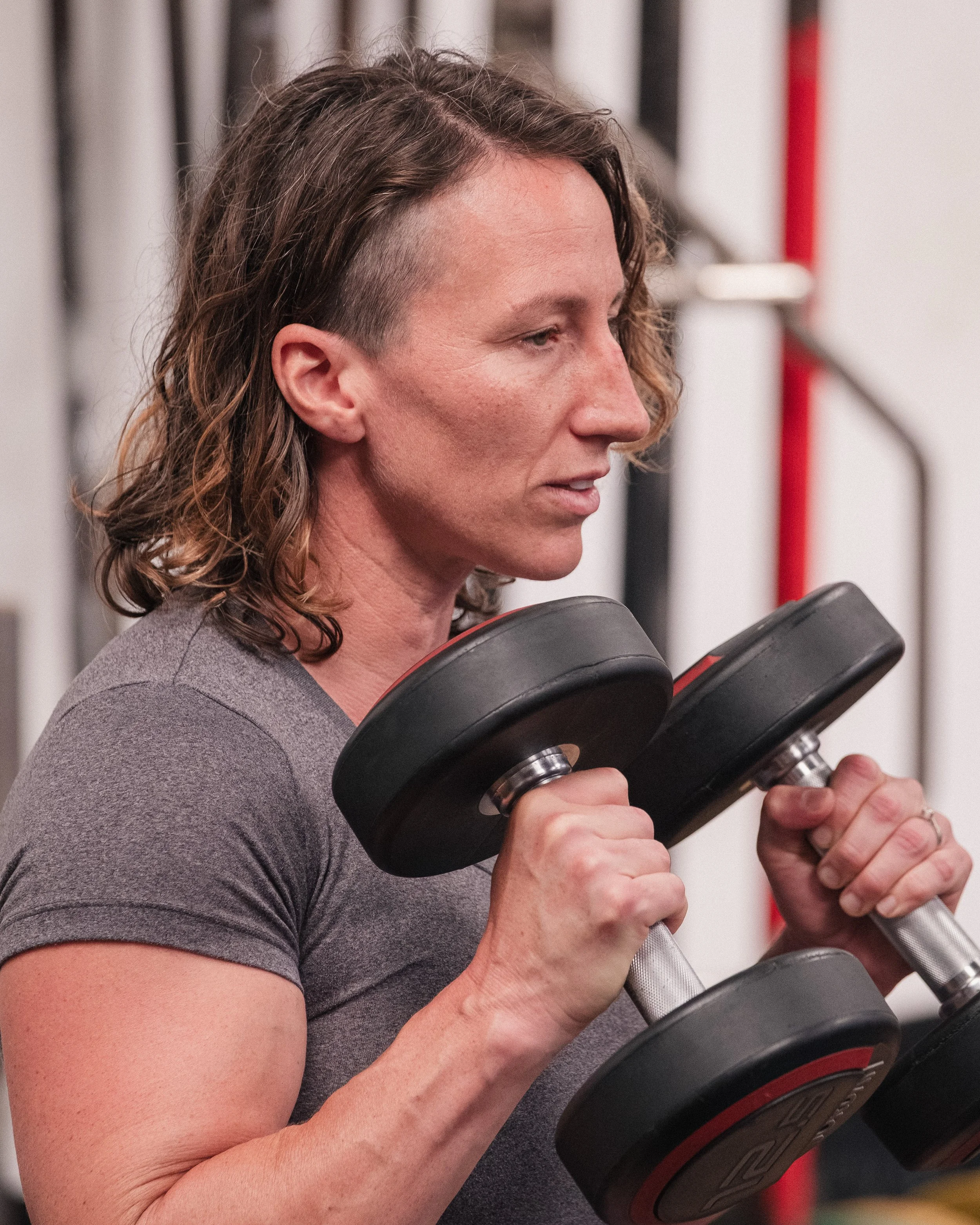
And then there were weights. They changed everything.
"Weights saved me."
They gave her purpose. Progression. A way to become strong again - but this time without trying to destroy herself in the process.
When she was playing for England, training had been about discovering how far she could push her body, sometimes taking it right to the edge.
Now, it is about looking after it.
She still lifts hard.
She still loves getting stronger.
But she doesn't need to tackle 100kg Black Ferns anymore...thankfully.
That change in perspective has become part of what Kat gives to other people.
As a coach, she gets to work with clients one-to-one.
To understand them.
To know them.
To figure out what they need to become stronger.
And while coaching hasn't replaced rugby - Kat doesn't think anything could - it has given her a different way of being part of someone's journey.
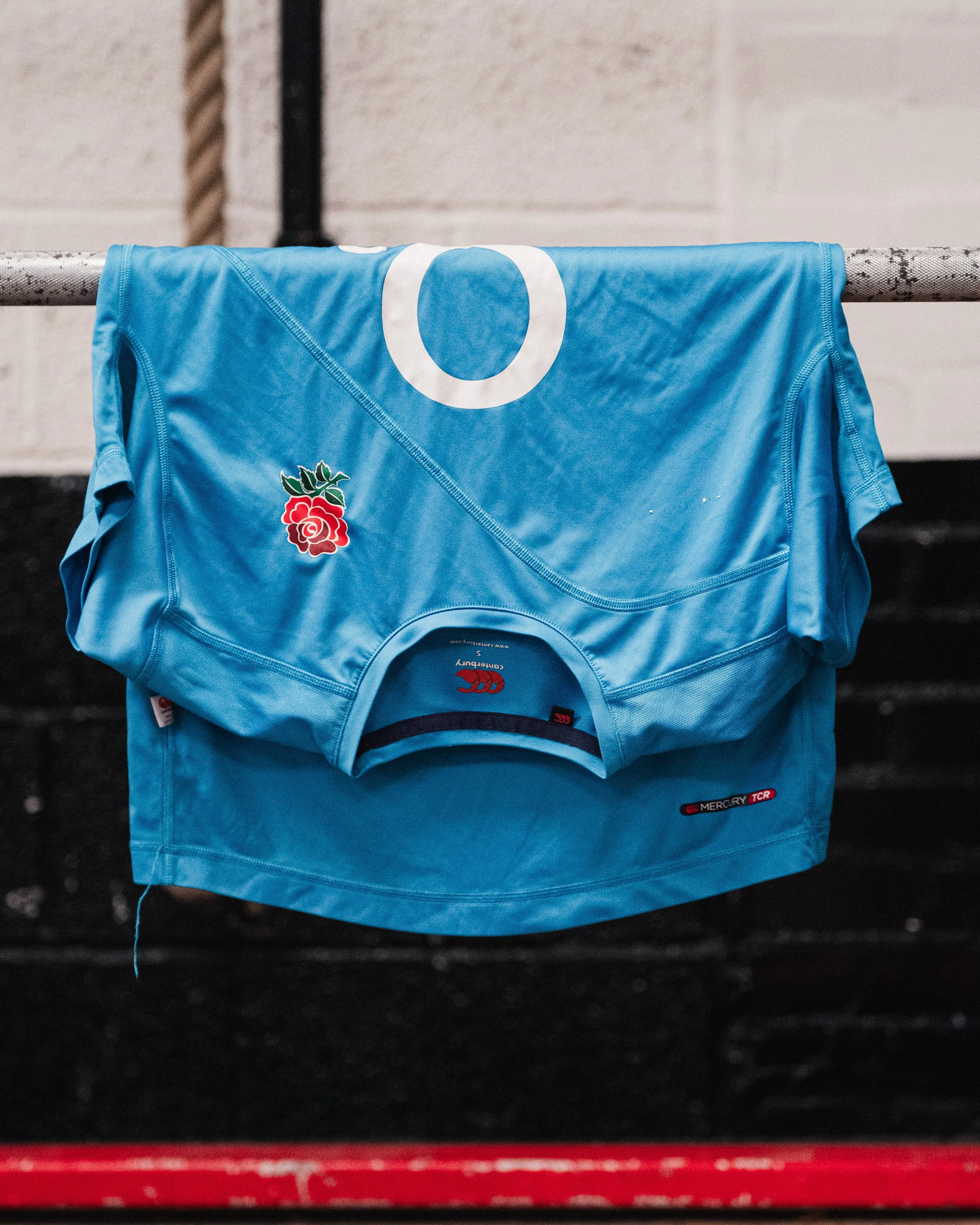
"The rugby gap won't be filled."
But she's learned that it doesn't have to be.
A rugby career is short compared with a lifetime.
And rather than spending the rest of that lifetime mourning what she lost, Kat has chosen to celebrate the fact that she got to experience it at all.
Then keep moving forward.
Today, Kat's life looks very different.
She runs a remote coaching business with her husband (Kapla Fitness)
She's a rugby commentator.
She coaches.
She lifts weights.
She travels.
She loves good wine with friends.
She has three dogs - a cockapoo, a miniature dachshund and a golden retriever.
And, in a detail that perhaps tells you more about Kat than any statistic ever could, she got married on the Jurassic River Adventure ride in Florida.
She's still competitive. Still resilient. Still someone who backs herself.
But perhaps she's learned that strength isn't about never being knocked down.
It's about what you do when you are.
For Kat, strength has always been mental as much as physical.
Backing yourself. Backing your teammates. Getting back up.
And refusing to let setbacks decide who you are.
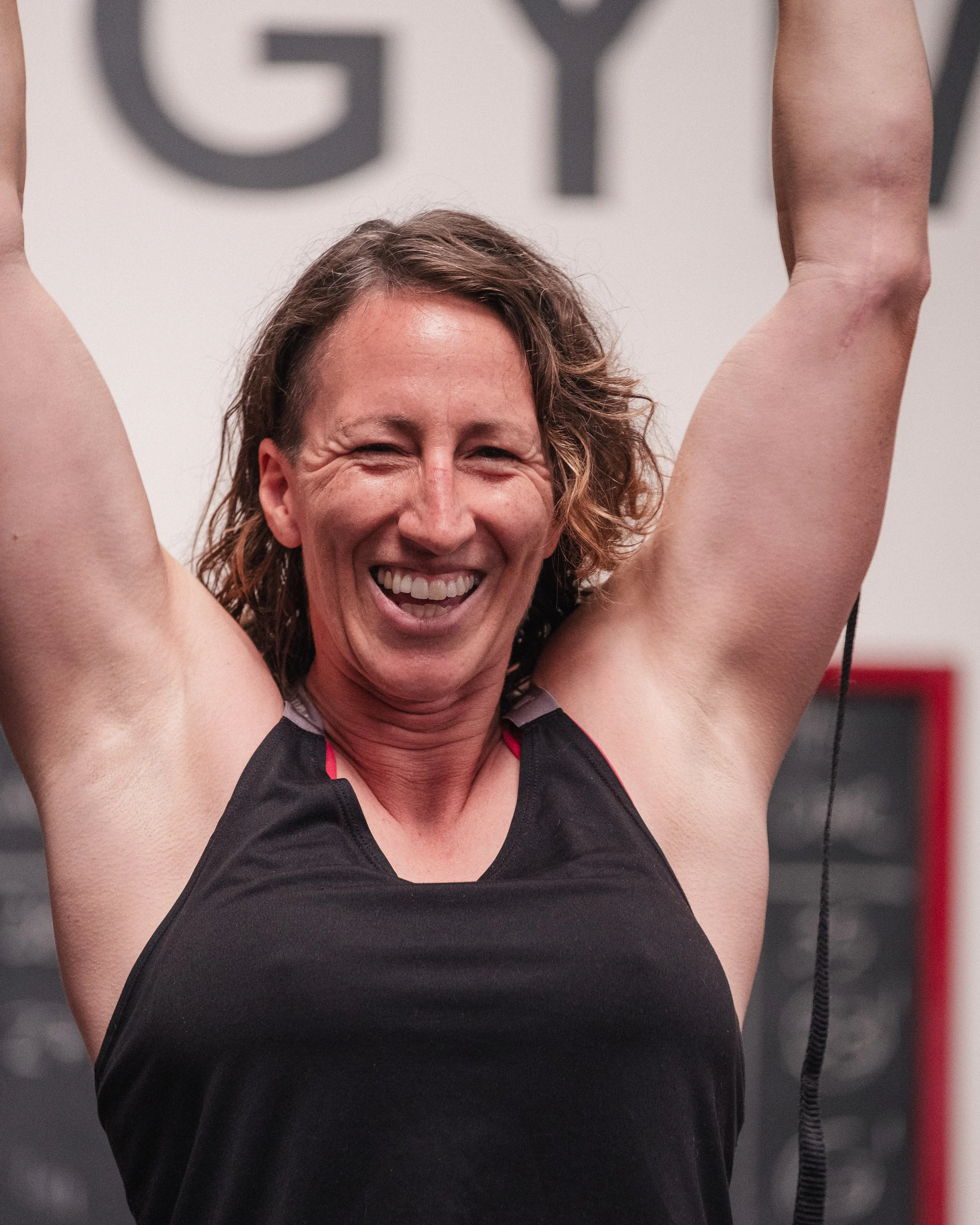

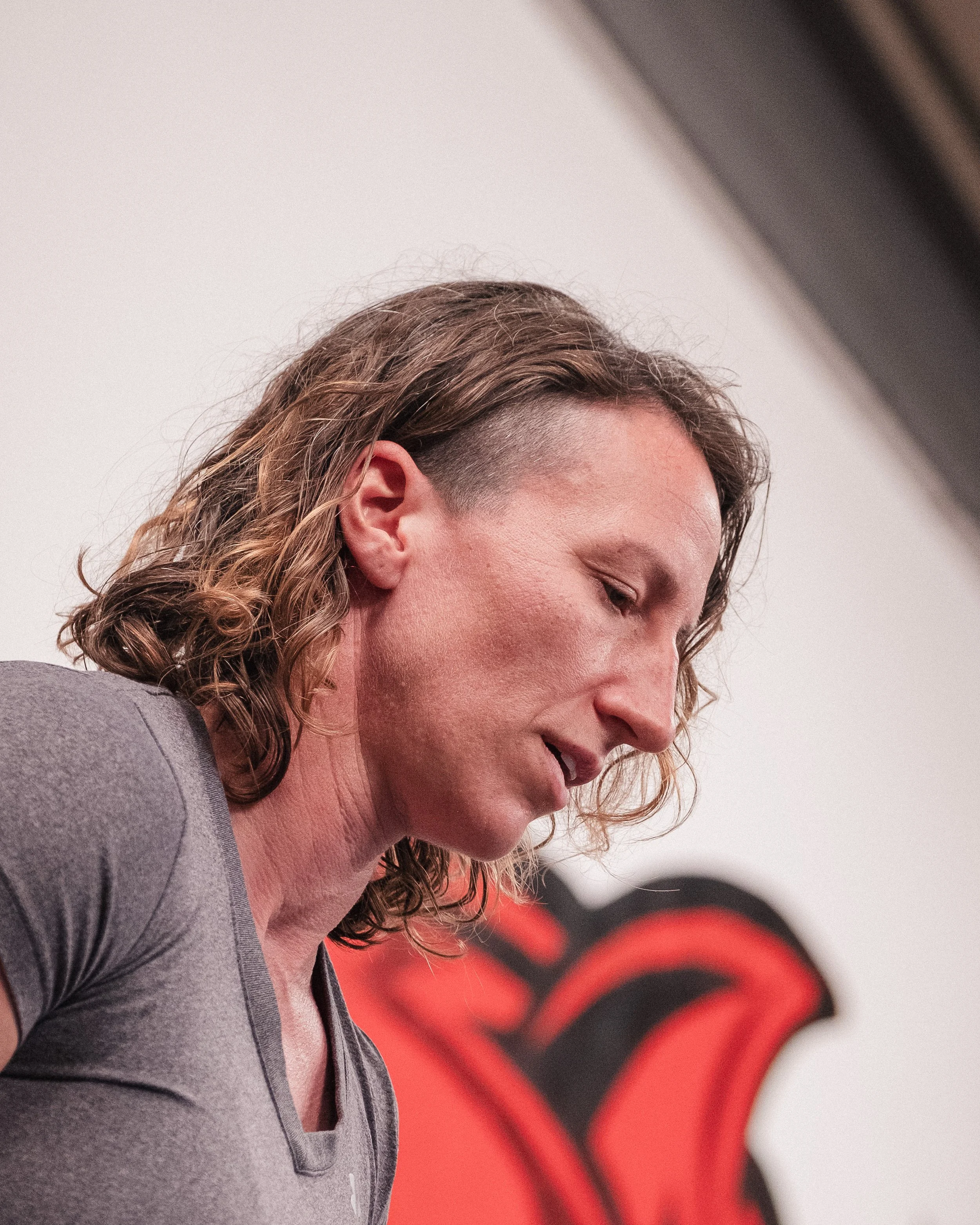
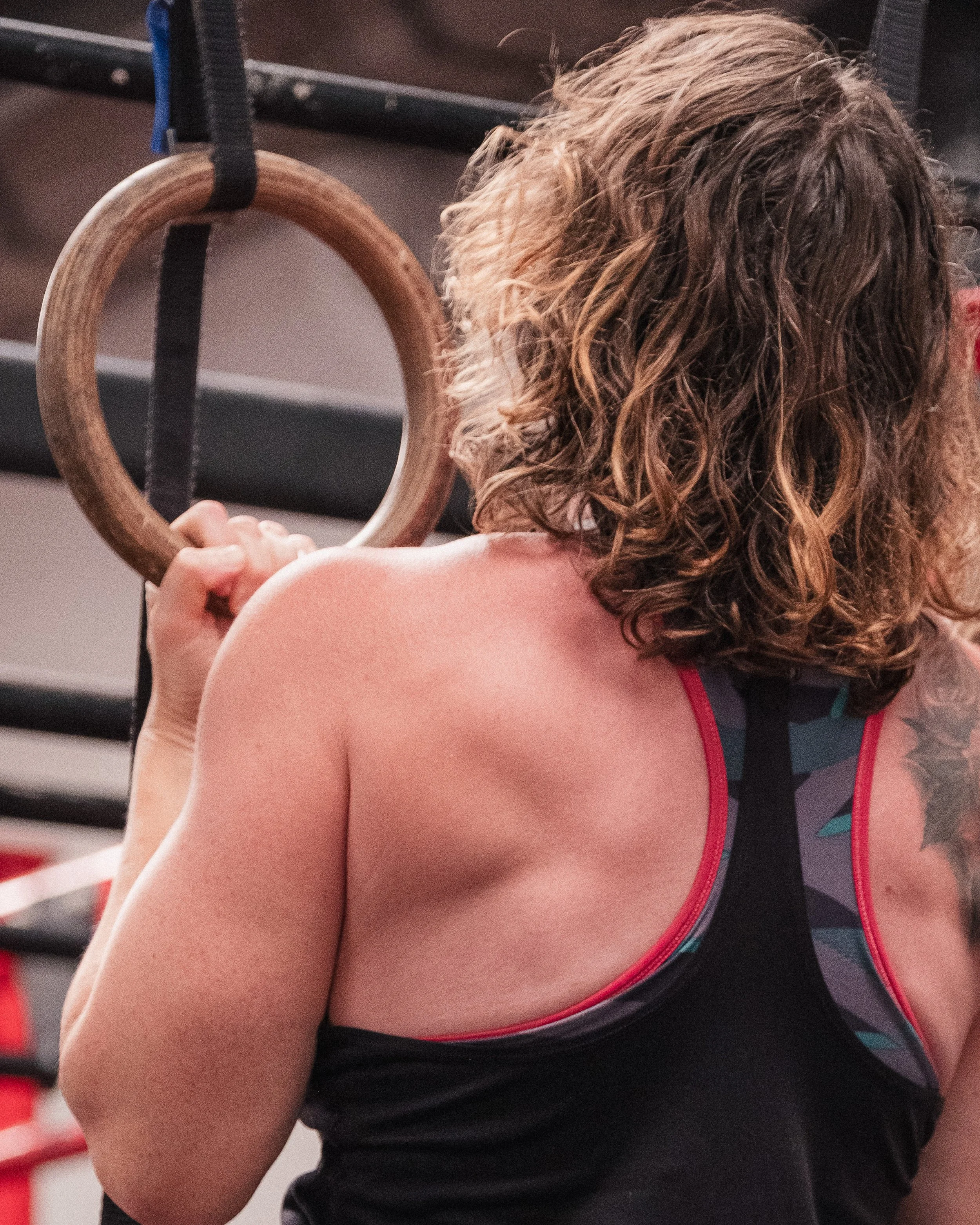
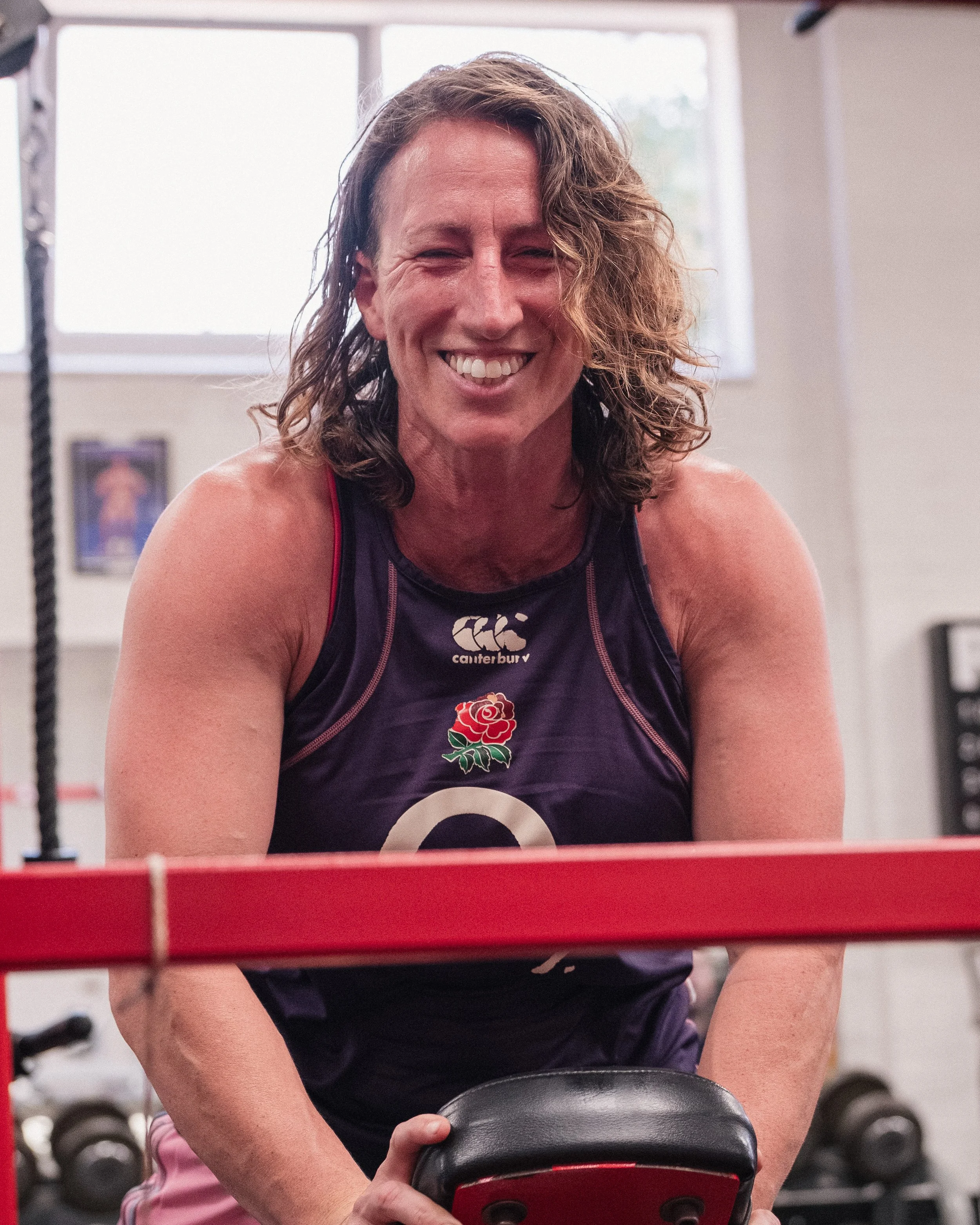
I asked Kat which version of herself she's most proud of.
The young girl who picked up a rugby ball at 14?
The England international?
Or the woman she's become since?
Her answer was immediate.
The woman she is now.
Because that woman kept getting back up.
Through injuries.
Through rejection.
Through retirement.
Through divorce from her first marriage after being cheated on.
Through losing the identity she'd built around rugby.
She has gone from an awkward kid to a world champion, rugby pundit and business owner.
And it all started with that resilient young girl who stuck a rejection letter on her wall and decided she would never receive another one.
So what does Kat hope people remember?
Not the caps.
Not the tries.
Not the World Cup.
Not even the player.
Just...
"Fun to be around and a good person."
Because perhaps that's the thing about Kat's story.
The England shirt was a huge part of her life.
It gave her experiences, friendships, challenges and memories that will stay with her forever.
But it was never the whole of her.
And when the shirt was taken away, she had to learn that for herself.
She is still Kat.
Still strong.
Still resilient.
Still backing herself.
Still part of the game.
Just in a different way.
And perhaps the greatest lesson of all is that sometimes, the end of one version of you is simply the beginning of another.