STORY 03 | NAOMI
Content note: This story discusses eating disorders, body image and mental health. If these topics feel difficult for you today, please read with care.
"You're okay. You're safe. You're enough."
If there's one sentence that captures Naomi's story, it's that one.
Not because someone once said it to her.
But because she never believed she was enough.
It's the sentence she wishes her teenage self had heard. The one she now shares with the women she coaches every day.
Because for a long time, Naomi believed that her worth depended on how small she could make herself.
Growing up, movement was always part of Naomi's life. Sport, dance and performing weren't just hobbies - they were her world.
At seventeen, she left home to train at a prestigious dance school in London. It was everything she'd worked towards.
Like so many young performers, she arrived excited, ambitious and ready to prove herself. What she wasn't prepared for was discovering that talent wasn't the only thing being judged.
"I was told I needed to get stronger," she remembers, "but not too big and bulky. I needed long, lean muscle like a dancer."
She laughs as she says it now but back then, she didn't question it. She simply believed that was required and that it was the price of success.
Looking back, Naomi can see just how confusing that message was for a seventeen year old girl still trying to figure out who she was.
Be strong...but don't look strong.
Be athletic...but not too athletic.
Take up space...just not too much.
Like so many women, exercise slowly stopped being something she enjoyed and became something she managed.
Light weights, hours of cardio, restrictive eating - always chasing the next version of herself, always believing she'd finally feel enough when she got there.
"Dance school wasn't the beginning of my dysfunctional relationship with my body," she reflects, "but it definitely facilitated it."
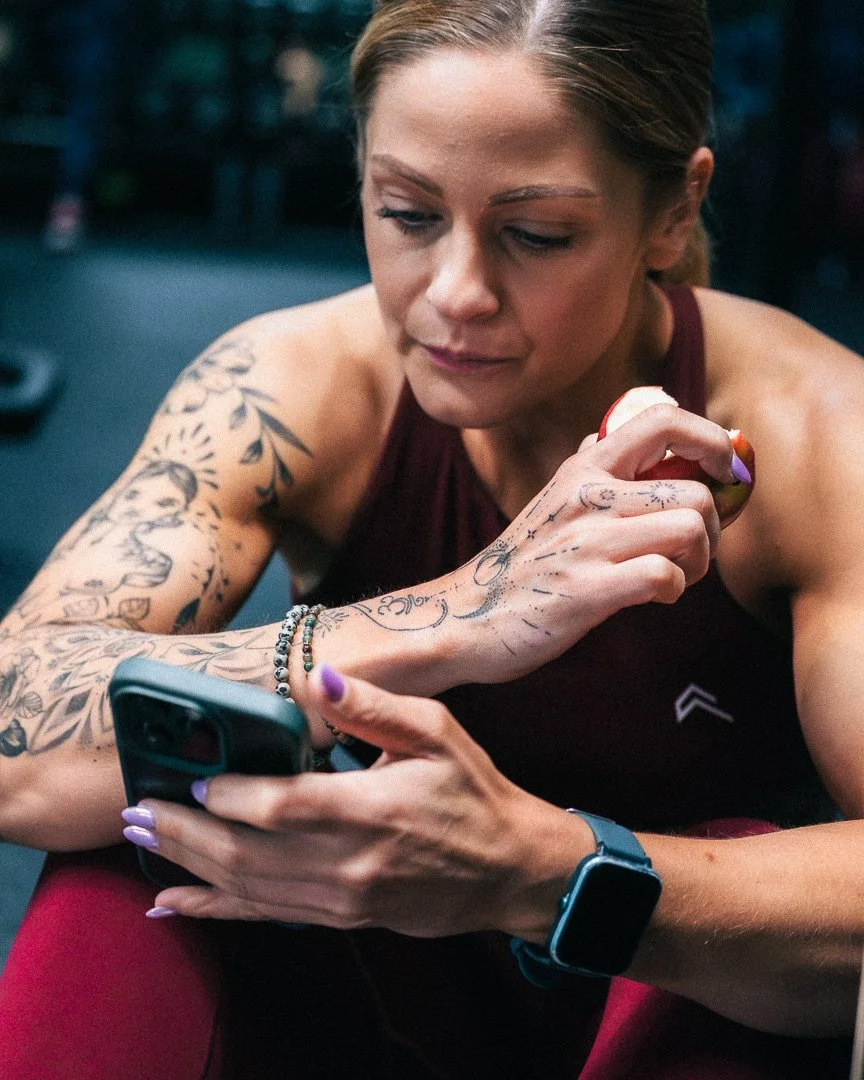
Naomi went on to build what many people would describe as a dream career.
She performed in London's West End, travelled the world and worked alongside incredibly talented people.
From the outside, everything looked exactly as she'd imagined. But behind the curtain, another story was unfolding.
"The roles I wanted - and often got - were heavily reliant on how I looked."
Regular weigh-ins, progress photos and being told to slim down became normal.
When your livelihood depends on your appearance, it's difficult to separate who you are from how you look.
You stop asking whether something is healthy and simply tell yourself it's part of the job.
Although Naomi couldn’t admit it at the time, she spent the next eighteen years living with anorexia, bulimia and later, orthorexia.
To everyone else, she looked disciplined.
Professional.
Committed.
Inside, she was fighting battles nobody could see. Battles that had very little to do with food.
It took the world stopping for Naomi to realise what had really been happening.
When Covid hit, theatres closed overnight.
Shows were cancelled.
An entire career disappeared almost instantly.
And at the same time, her relationship of six years came to an end.
She moved back in with her parents, and everything she'd built her identity around disappeared within a matter of months.
"I crumbled."
It's a simple sentence, but behind those two words was grief.
Uncertainty.
Fear.
Silence.
For the first time in years, there were no rehearsals to distract her, no performances to focus on, no schedule to hide behind.
Just space. Space she'd spent years filling with control and restriction over what she was putting in her body.
"I later discovered my eating disorder wasn't actually about food. It was about coping. It was about managing emotions I didn't understand."
That realisation changed everything.
It wasn't an overnight change. But it was the beginning of a journey that would transform the way Naomi saw herself, her body, her relationship with food, and what strength really meant.
"I knew I needed help."
Asking for professional support became one of the bravest decisions she'd ever made.
Not because everything suddenly got easier but because, for the first time, she stopped trying to fight it alone.
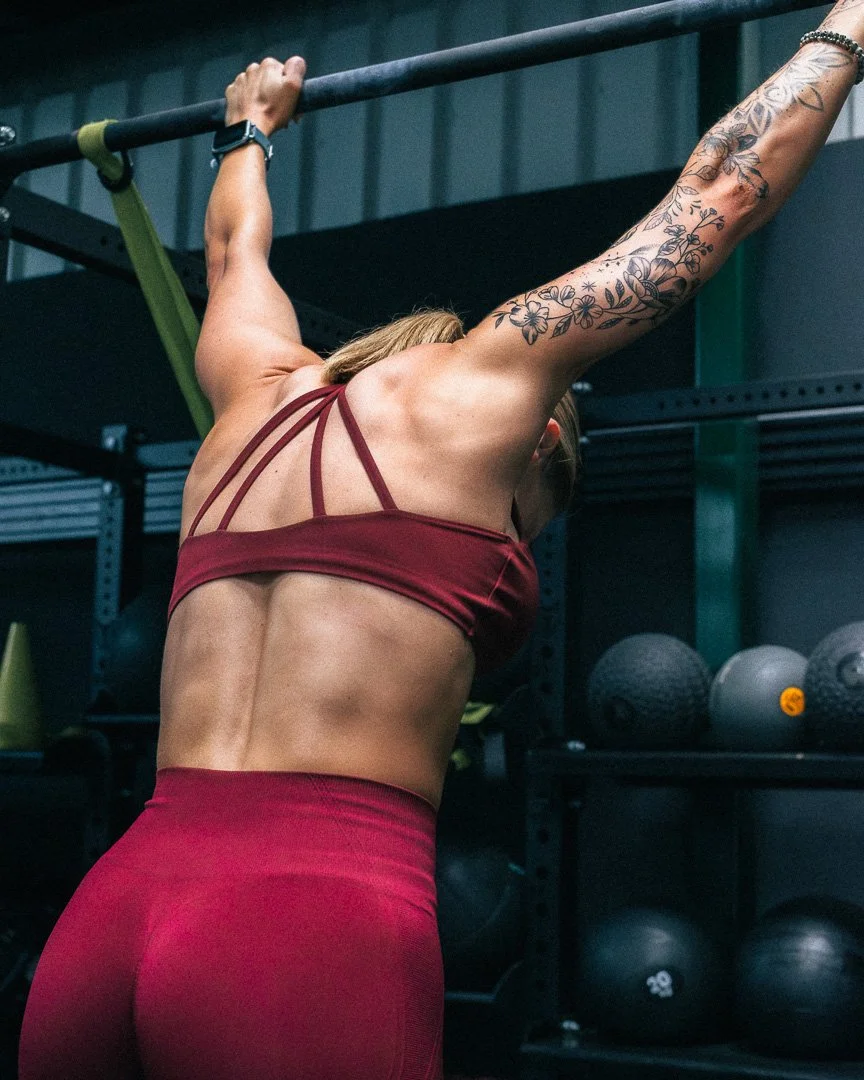
Part of that healing meant changing her relationship with movement completely.
For a while, Naomi stepped away from the gym.
That might sound surprising for someone who now teaches strength training, but she knew she needed to remove herself from an environment she'd associated with control, punishment and appearance for so many years.
Instead, she returned to something much simpler.
She joined a local hockey club and rediscovered the joy of playing as part of a team.
She found yoga.
She slowed down.
She learned to listen instead of criticise.
For the first time in years, movement wasn't about changing her body. It was about experiencing it.
"A huge part of my journey," she says.
Without realising it, she was rebuilding trust.
Not just in exercise, but in herself.
Eventually, Naomi walked back into the gym and she admits it wasn't easy.
"It took a minute to adjust."
But something had changed. This time, she wasn't chasing a smaller body.
She was curious. Curious about what her body could do. About strength. About how movement made her feel rather than how it made her look.
"I became fascinated by the mind-body connection. The freedom I felt from focusing on how my body felt rather than how it looked was incredible."
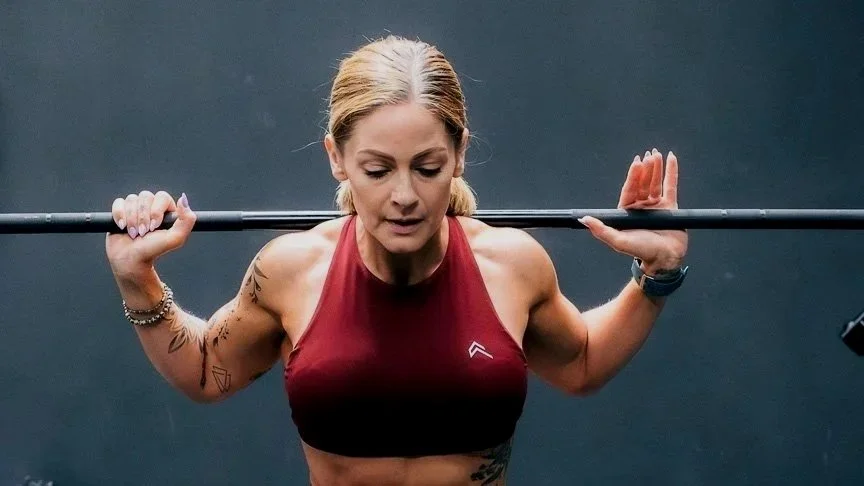
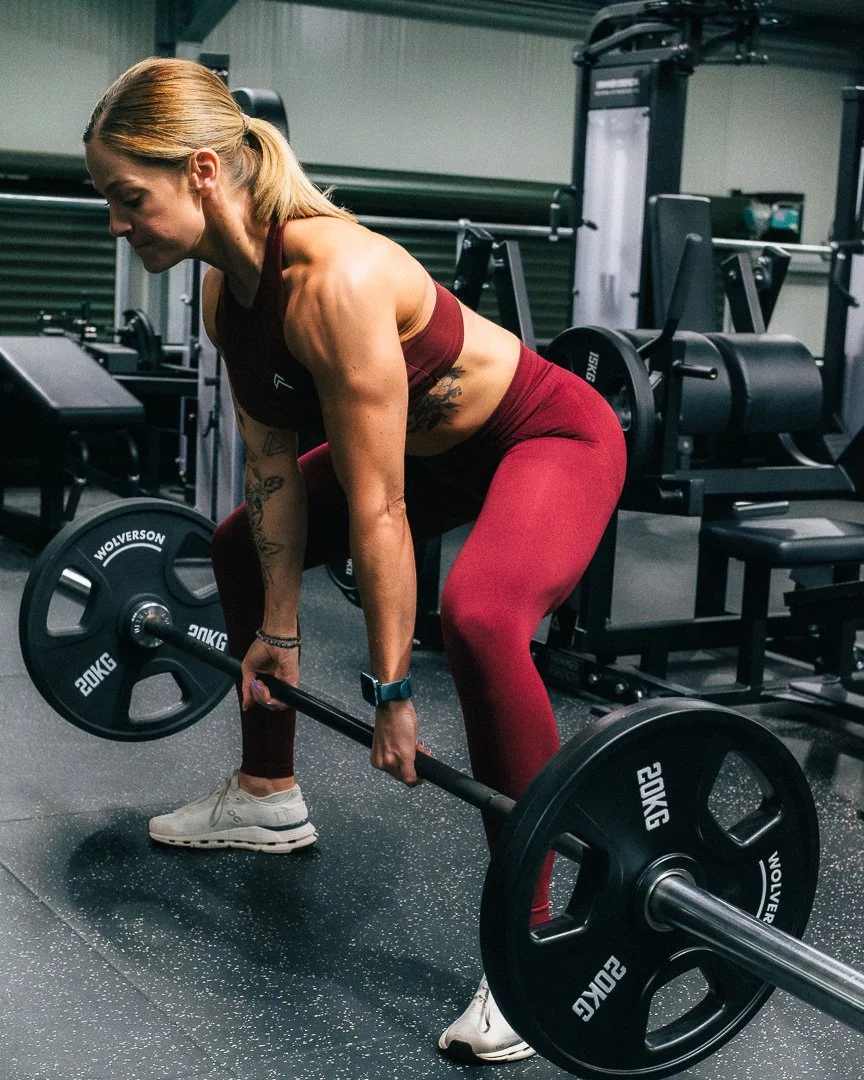
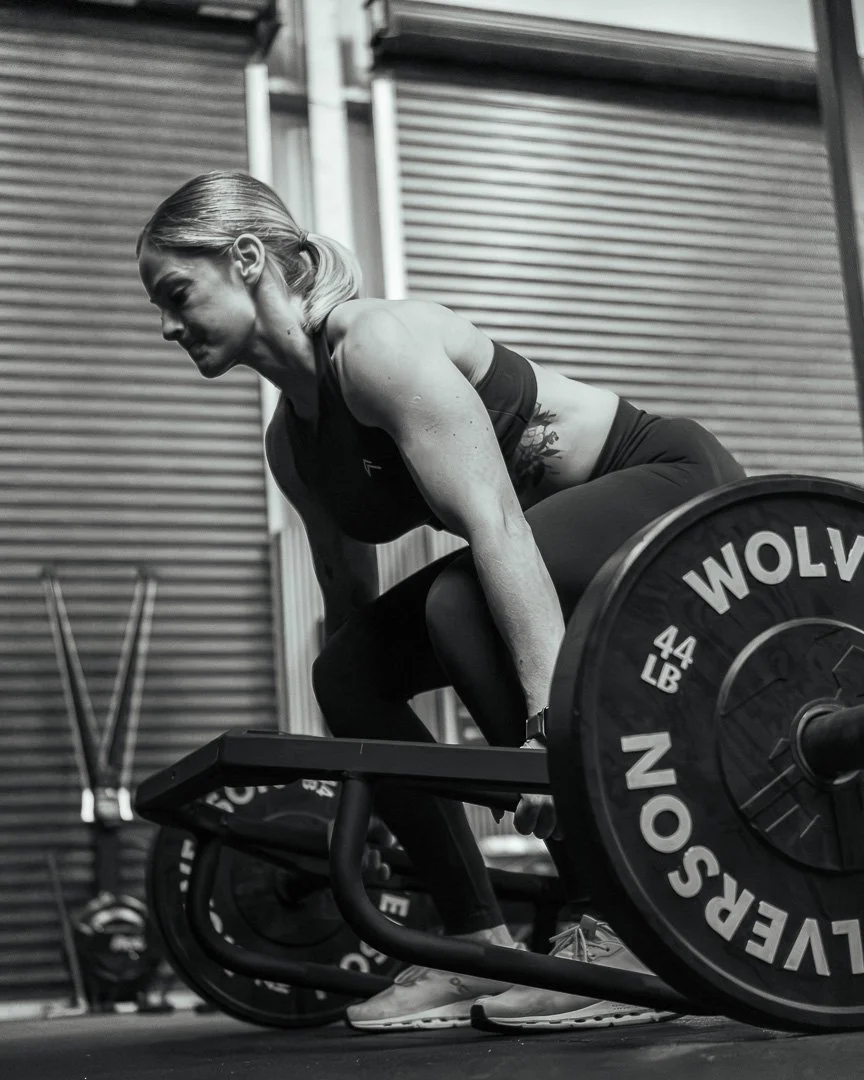
Then came one particular lift. The sumo deadlift.
"I remember thinking...
This is badass!
I call it the power move for women. If you need clarity, an escape or just somewhere to put your energy...A sumo deadlift is the answer."
It wasn't really about the barbell, it was what the lift represented.
For years, Naomi had measured her body by how little space it occupied.
Now she measured it by what it was capable of.
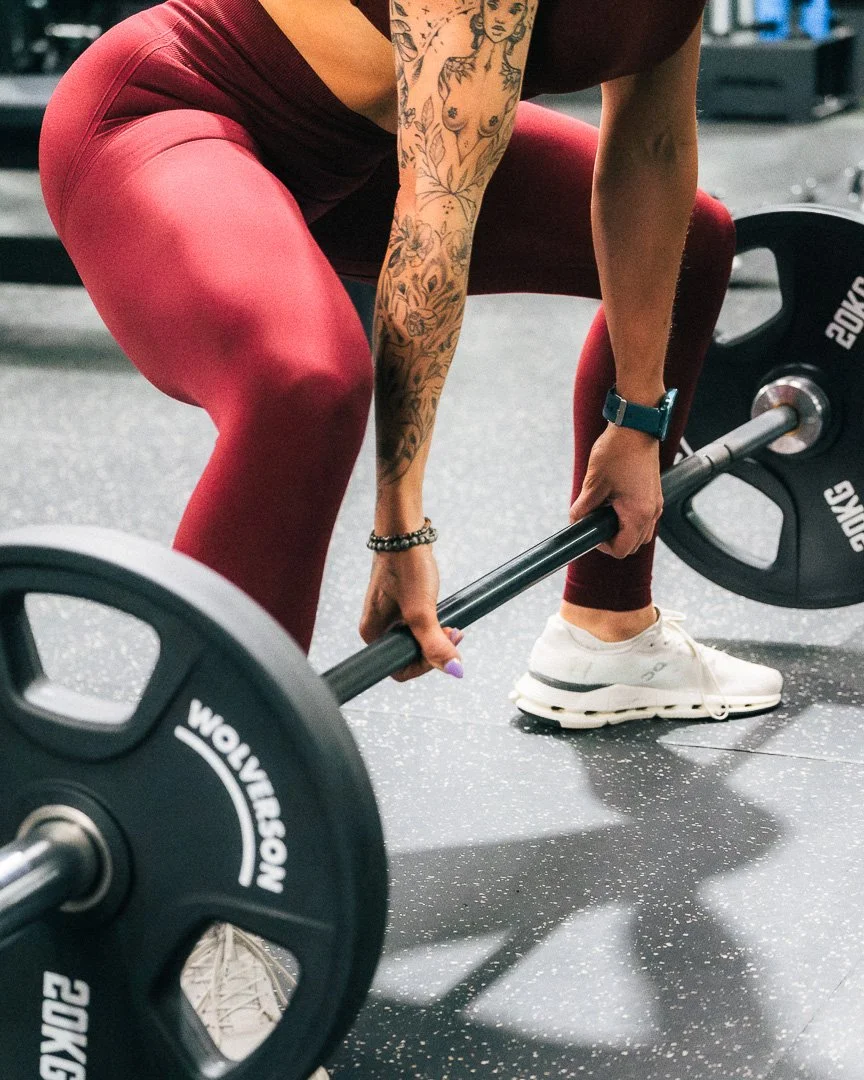
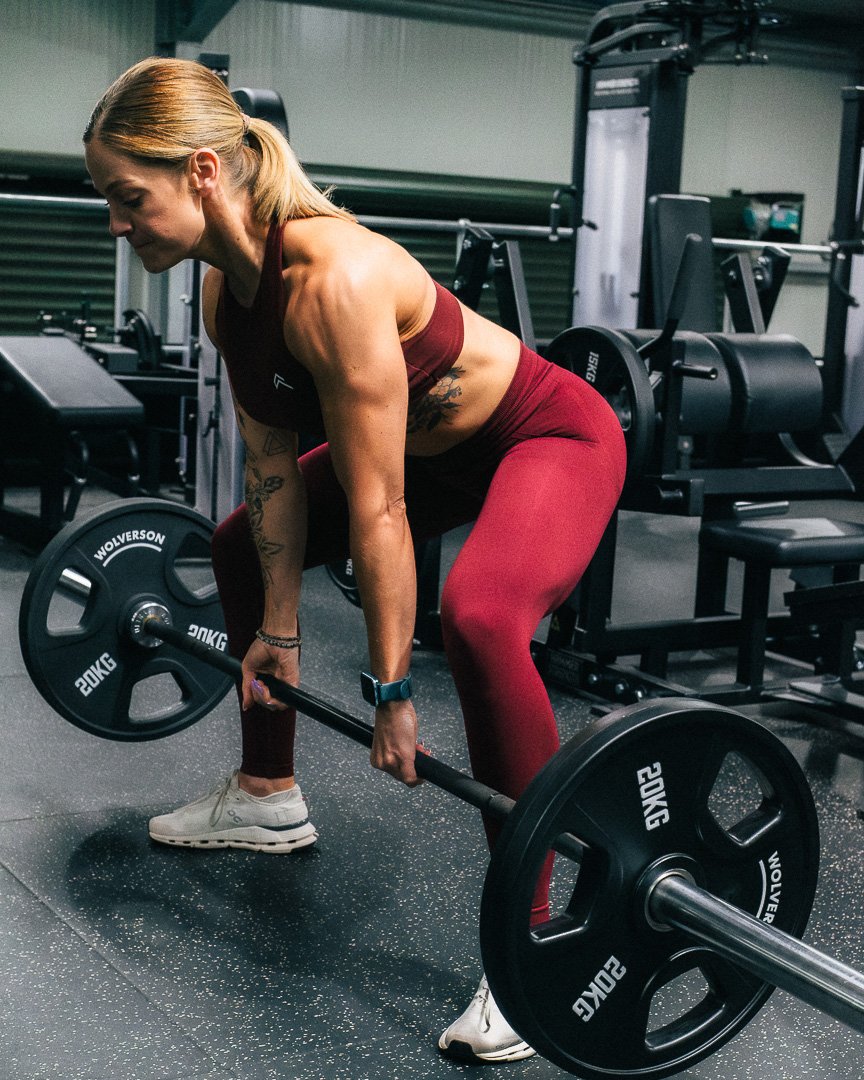
Strength no longer meant control. It meant freedom.
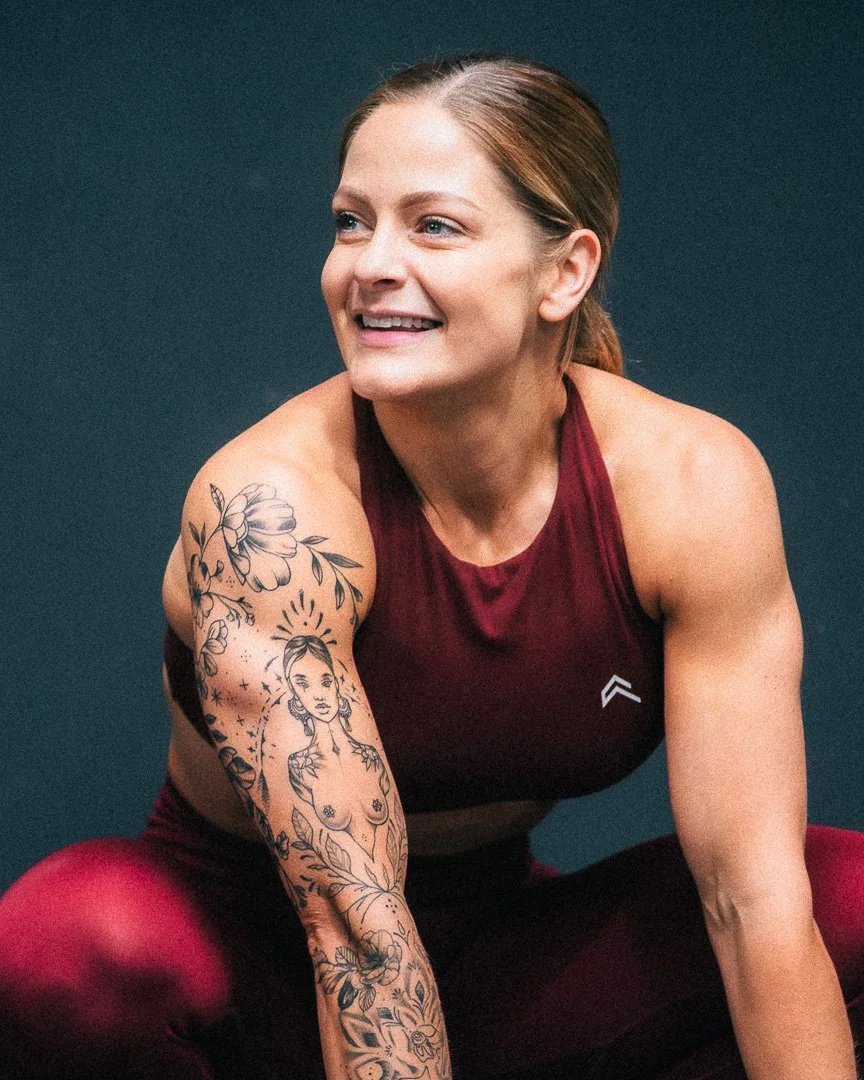
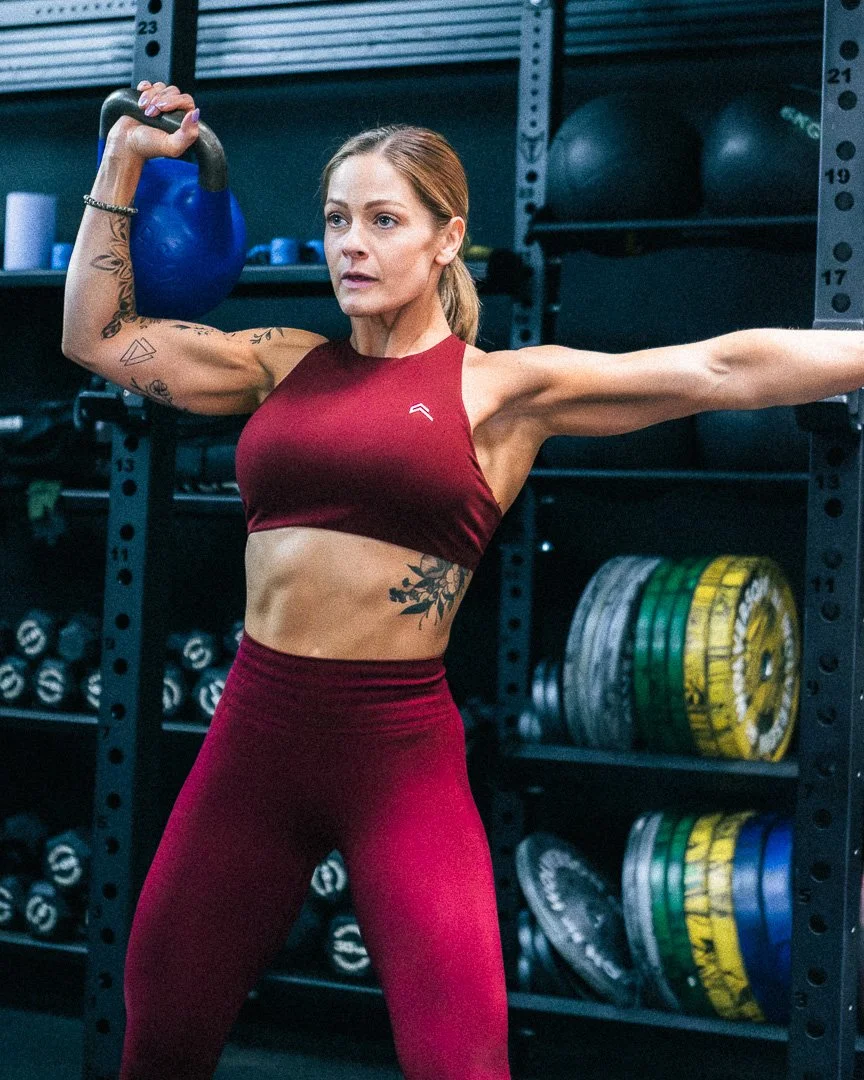
Today, Naomi is a Women's Fitness and Wellbeing Coach.
On paper, she helps women learn how to lift weights.
In reality, she helps women rewrite the stories they've been telling themselves for years.
Stories about needing to be smaller.
Quieter.
More acceptable.
More worthy.
She sees versions of her younger self every week.
Women who apologise for taking up space. Women who think confidence comes after they lose weight. Women who believe they'll finally be happy when they look different.
She knows those thoughts intimately.
Because she lived them.
"I truly believe in the timing of everything. There were times during my performing career when I thought about becoming a personal trainer."
Looking back, she's grateful she didn't.
"If I'd become a trainer back then, I dread to think what I would've projected onto the women I was trying to help."
Back then, exercise was driven by fear.
Now, it's driven by compassion.
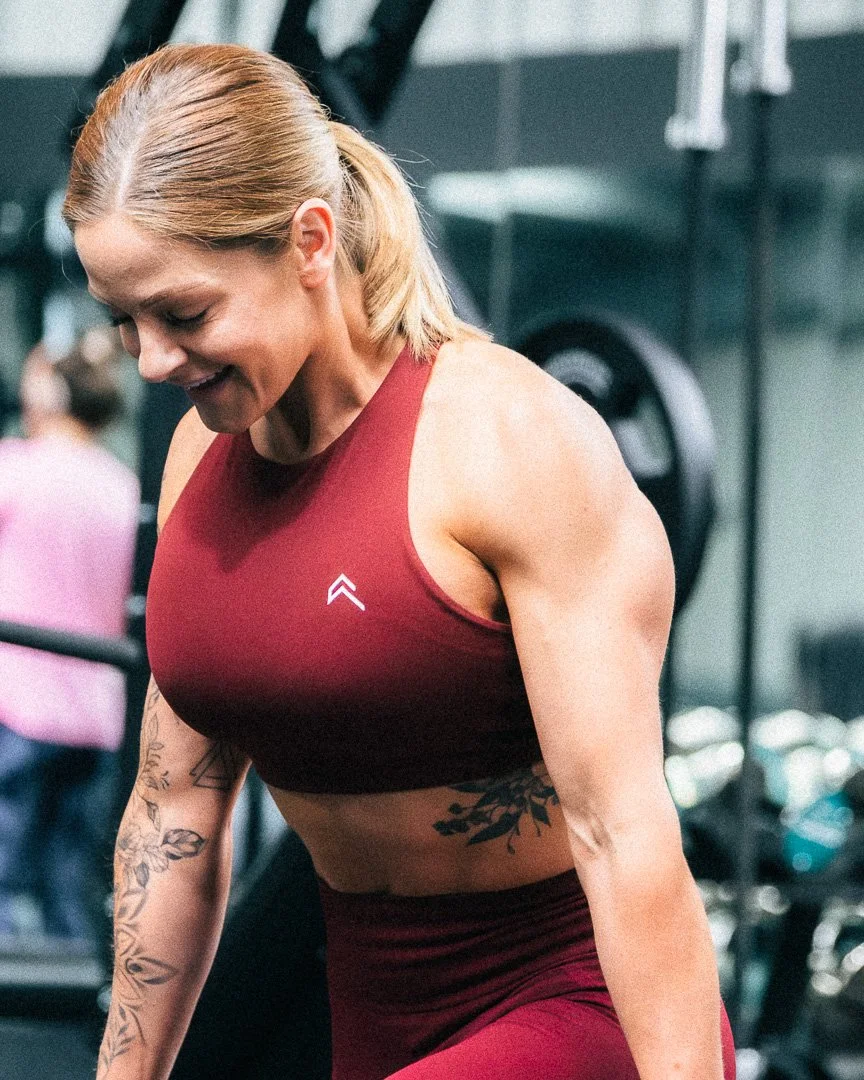
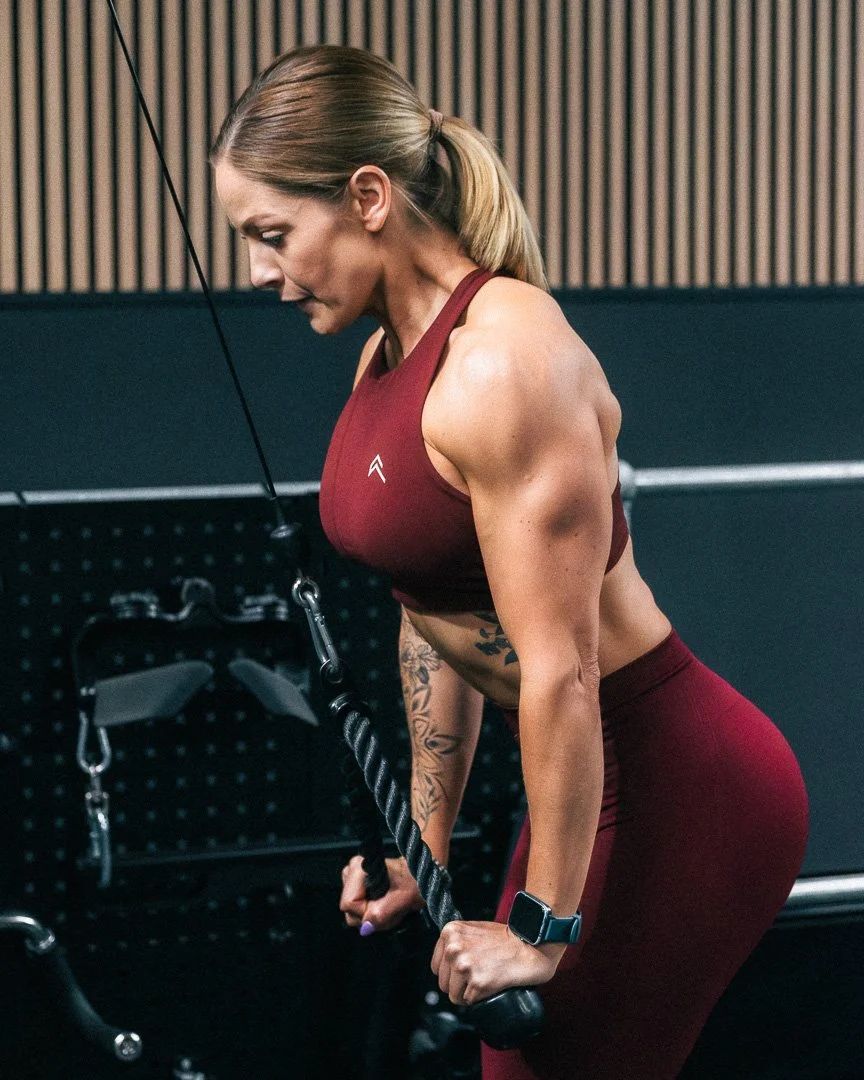
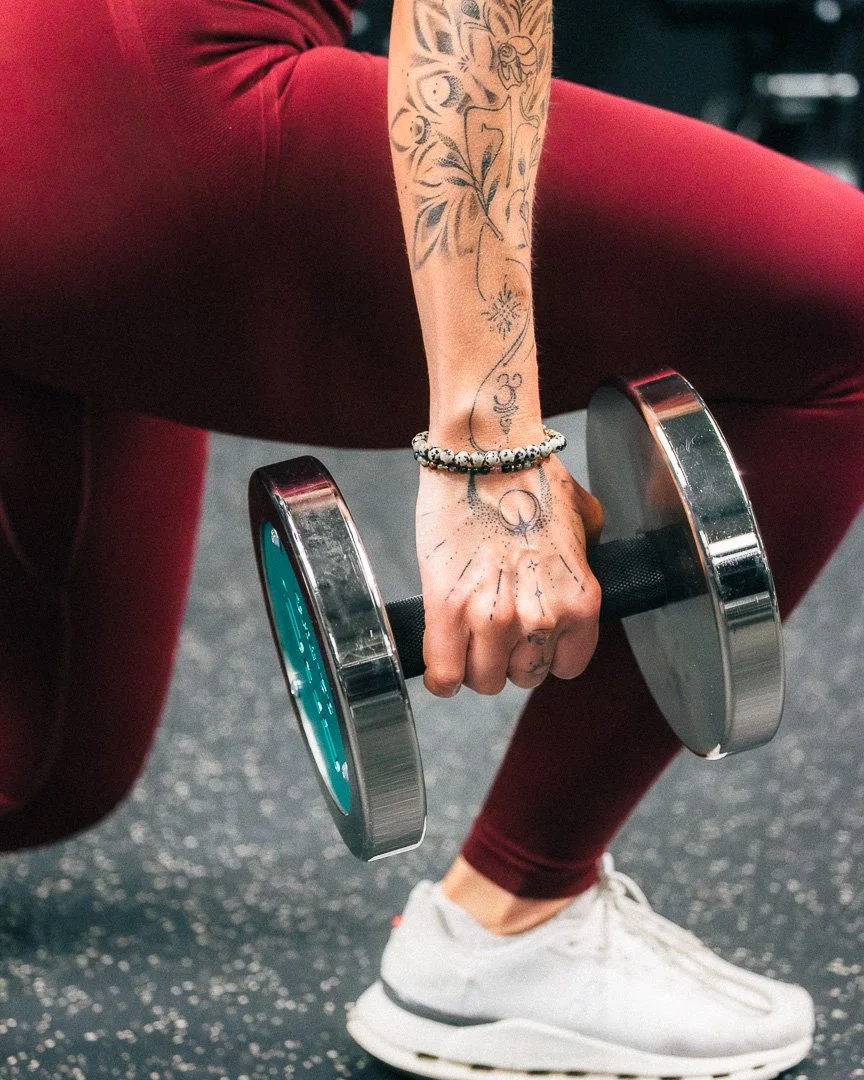
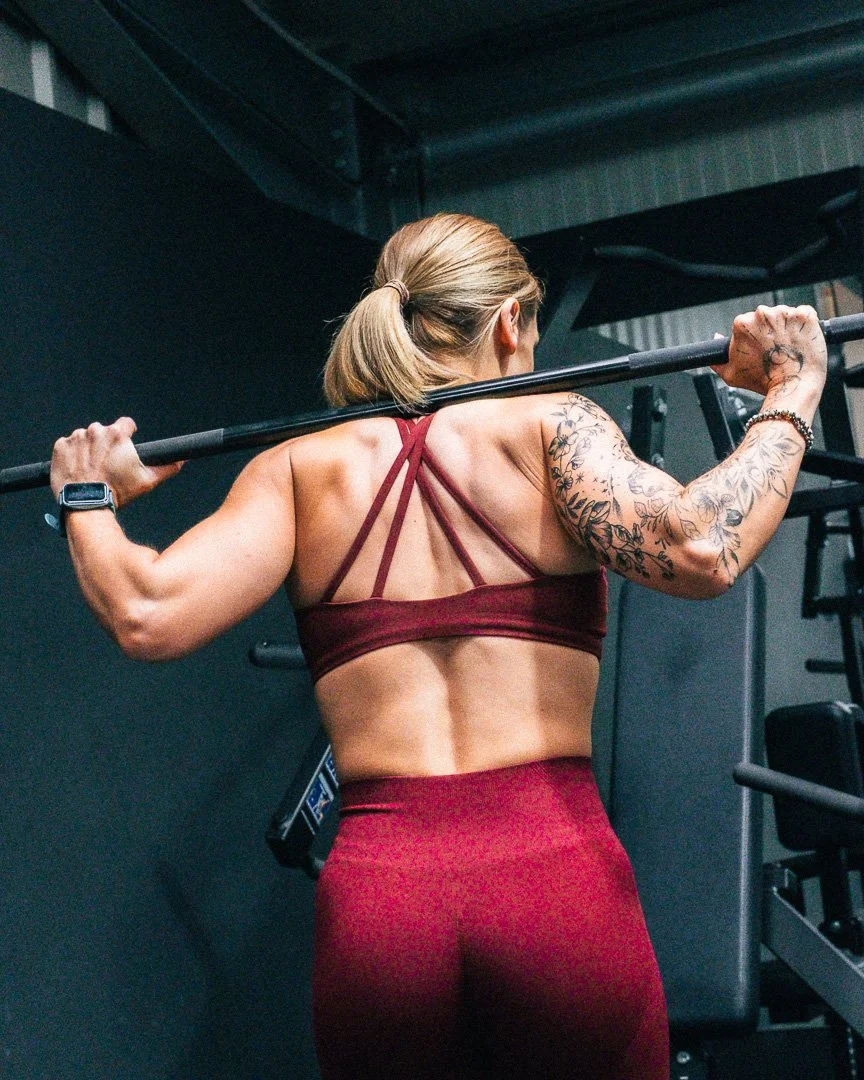
These days, Naomi lifts weights four or five times a week. Not because she's trying to become smaller. But because she's become fascinated by becoming stronger.
Not just physically, but mentally and emotionally.
"I love dedicating forty-five to sixty minutes to myself."
"I love the focus."
"I love the resilience."
"I love how it transfers into every part of my life."
Exercise is no longer punishment.
It's self-care. It's healing.
It's a reminder that her body was never something to fight against.
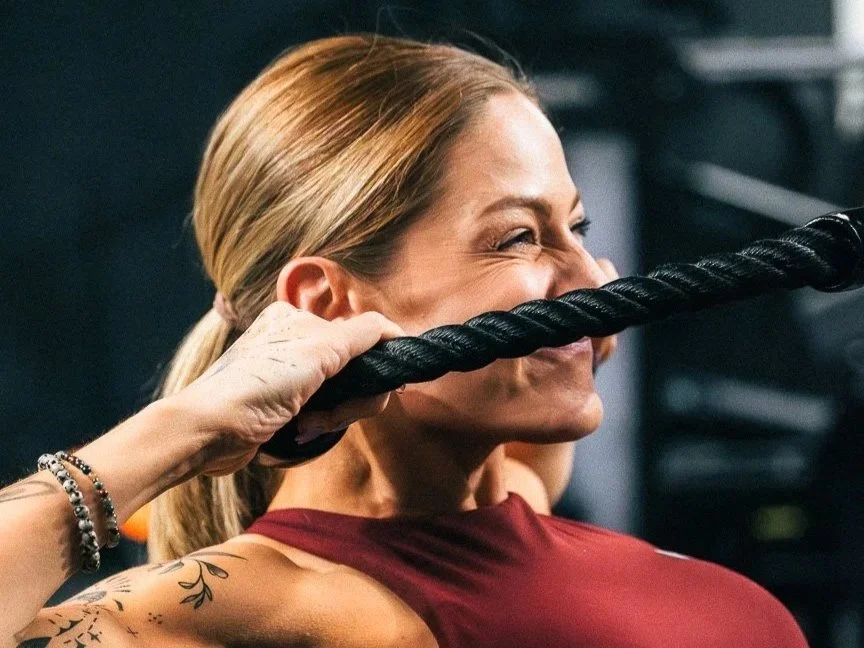
When I asked Naomi what would the younger version of herself - the one who used to focus on being smaller - would think if she saw herself today, she said...
“I'd rather flip this question... Looking back I am so sorry that teenage Naomi felt she needed to be smaller, to look more desirable, to fit the part, to cope with emotions she didn't understand, to control the chaos going on around her. I'd want to say to her "you're ok, you're safe, you're enough" THIS is the message I bring to my clients every day. This appears to be the underlying message with a lot of women who come to me... they don't feel enough, they're not happy with how they look and feel, but they want something different! They want to learn how to change things so that it comes from a place of compassion, self-care and empowerment, not self-loathing, punishment and restriction.”
Today, those are the same words she hopes every woman who walks through her door eventually believes about themselves.
Because beneath the training plans...
The weights...
The nutrition...
The programmes...
That's often what they're really searching for.
Not a different body.
A different relationship with the one they already have.
Naomi's story isn't about lifting weights. It isn't about deadlifts or calories, or even recovery.
It's about unlearning nearly two decades of believing her worth was measured by her appearance.
It's about discovering that strength has nothing to do with becoming smaller and everything to do with taking up space.
For years, Naomi believed strength meant control. Today, strength means compassion.
It means trusting her body and honouring it.
It means showing up for herself.
And perhaps the strongest thing she's ever done wasn't stepping onto a stage or lifting a heavy barbell.
Perhaps it was finally believing the words she'd spent so many years needing to hear.
You're okay. You're safe. You're enough.
If Naomi's story resonates with you and you're struggling with an eating disorder or your relationship with food, support is available through Beat, the UK's eating disorder charity.